
If you often suffer from bloating, gas, or acidity, learning how to improve digestion naturally at home can help you feel healthier and more energetic. Simple lifestyle changes, healthy foods, and daily habits can support better gut health naturally.
The good news is that you don’t always need medicines to fix it. There are simple and effective ways to improve digestion naturally at home — and one small daily habit can make a faster difference than you might expect.
In this article, you’ll discover 7 proven tips to improve digestion naturally at home, including the best foods, daily habits, and easy home remedies that support a healthy gut and help you feel lighter and more energetic.
Many people search for how to improve digestion naturally at home because bloating, gas, constipation, and acidity affect daily life. With simple food habits and healthy routines, digestion can improve naturally without depending too much on medicines.
Drink more water
Eat slowly
Add fiber
Walk after meals
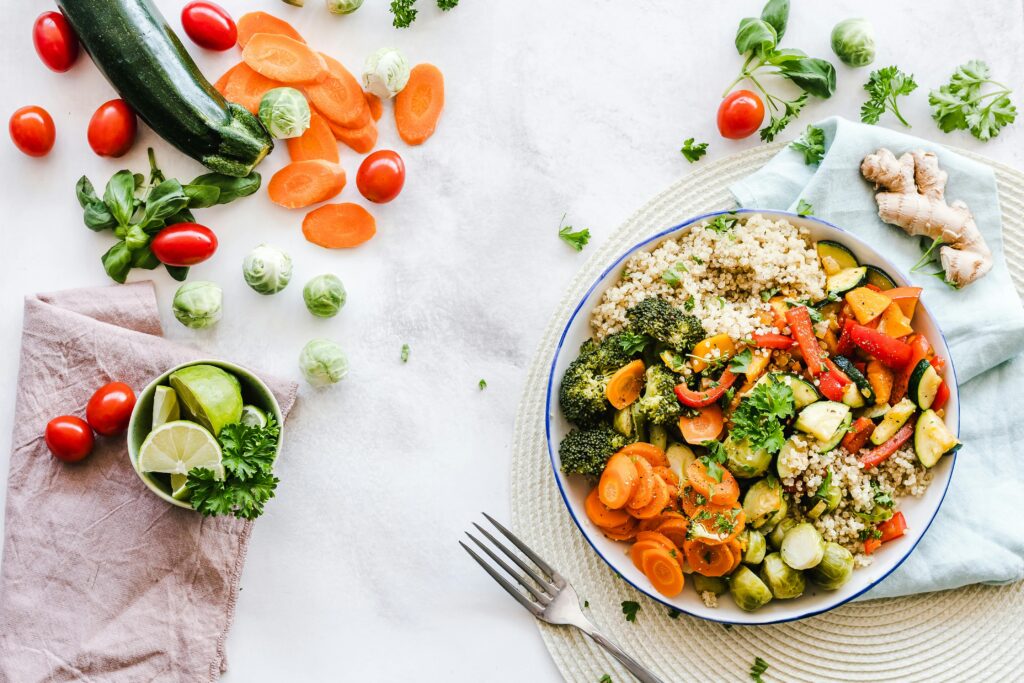
How to Improve Digestion Naturally at Home (Quick Answer)
To improve digestion naturally at home, start your day with warm water, eat fiber-rich foods, add probiotics like yogurt, chew food properly, and stay active with light exercise. Avoid overeating and processed foods for better gut health.
Why Good Digestion Matters
A healthy digestive system does more than just process food—it supports nutrient absorption, steady energy, and everyday comfort.
Your digestive system breaks down food into nutrients that your body needs for energy, growth, and repair. Poor digestion may lead to:
- Bloating and gas
- Constipation or irregular bowel movements
- Acidity or heartburn
- Feeling heavy after meals
- Low energy levels

Improving digestion at home through natural methods may help your body function more efficiently and support long-term wellness.
Best Foods for Better Digestion
Best Foods for Better Digestion
Yogurt
Banana
Papaya
Oatmeal
Ginger
Leafy green vegetables
Warm water with lemon
Foods to Avoid for Poor Digestion
Fried foods
Sugary drinks
Processed foods
Excess caffeine
Spicy food (for some people)
Carbonated drinks
Uske baad:
Morning Habits That Improve Digestion
Warm water
Walking
Fiber breakfast
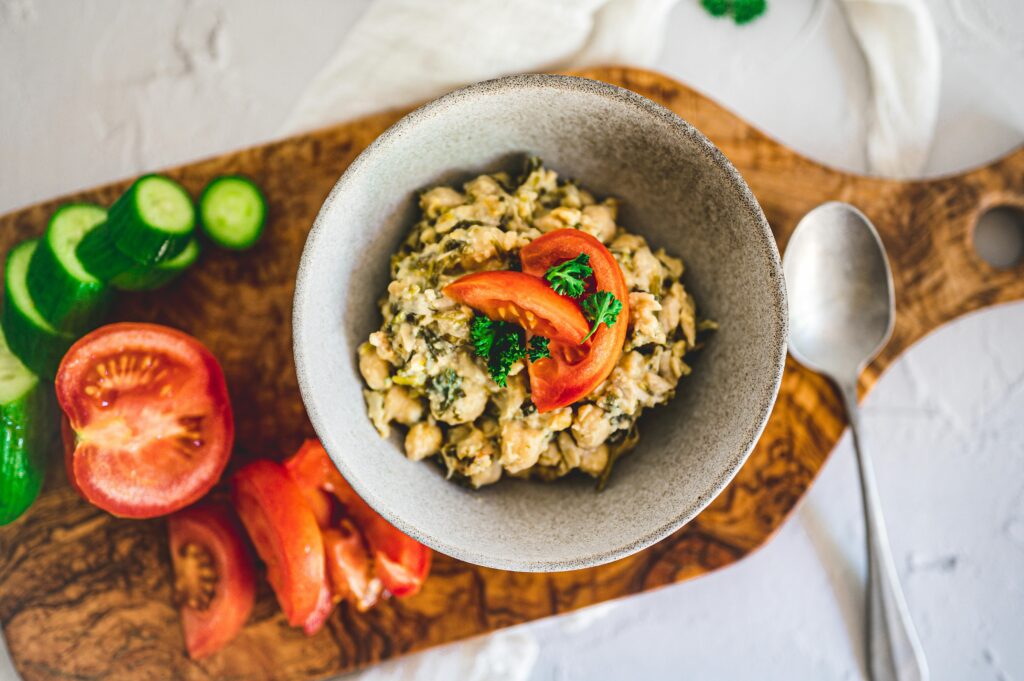
Top Digestion Improvement Tips You Can Start Today
1. Eat Slowly and Chew Your Food Properly
Digestion begins in the mouth. Chewing food well:
- Makes food easier to break down
- Reduces gas and bloating
- Helps your stomach work less
Many people eat quickly due to busy schedules, but slowing down during meals is one of the simplest ways to improve digestion.

2. Stay Hydrated Throughout the Day
Water helps:
- Soften stool
- Support smooth bowel movements
- Prevent constipation
Drinking small amounts of water regularly instead of large amounts at once is often recommended for better digestion.

3. Follow a Fixed Meal Schedule
Eating at the same time every day may help regulate digestive enzymes and improve gut function.
Try to:
- Avoid skipping meals
- Maintain a gap of 3–4 hours between meals
- Eat dinner at least 2–3 hours before bedtime
This habit can significantly improve digestion at home.
4. Add Fiber-Rich Foods to Your Diet
Fiber supports gut health and helps prevent constipation. Include:
- Whole grains (oats, brown rice)
- Fruits (papaya, apple, banana)
- Vegetables (carrot, spinach, bottle gourd)
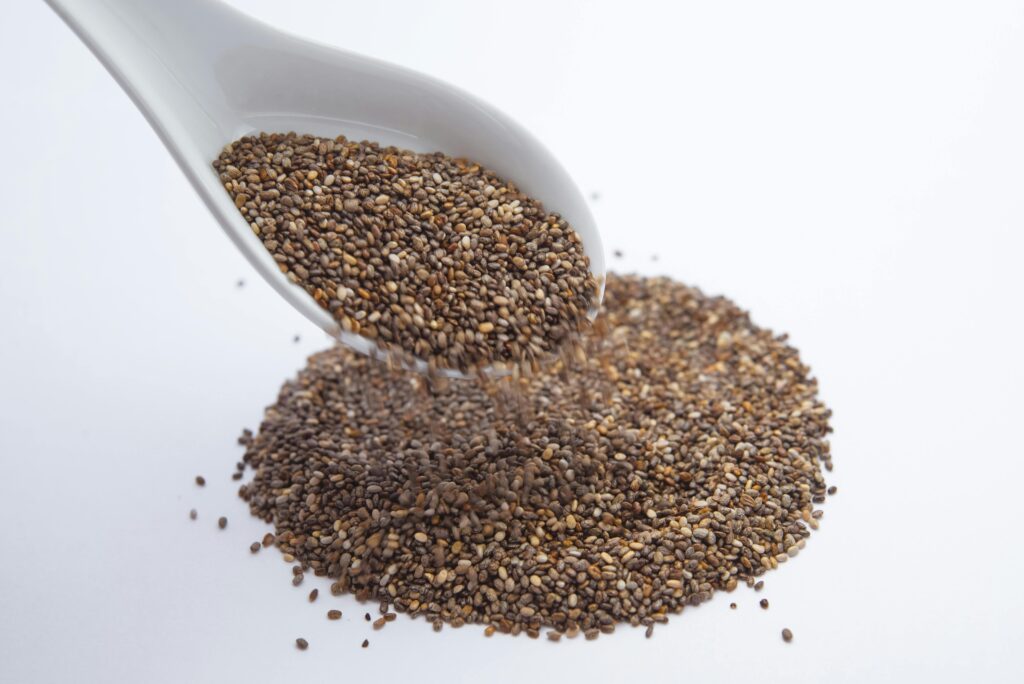
- Seeds (flaxseed, chia)
These are some of the best foods that help digestion.
How to improve digestion naturally
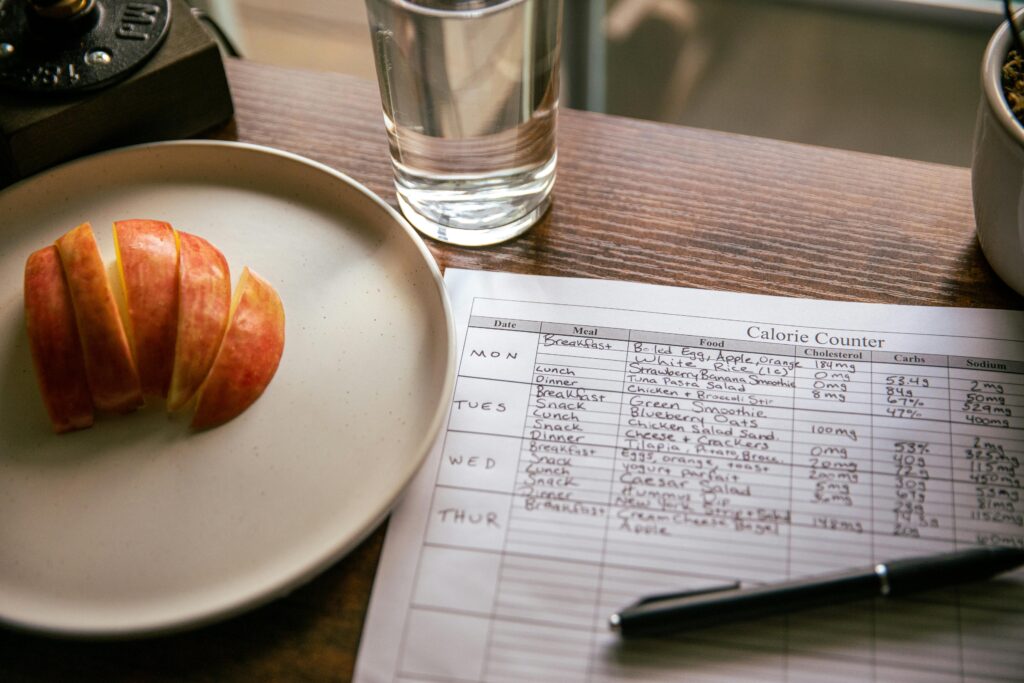
How to Improve Digestion Naturally
Best Foods That Help Digestion Naturally
Here is a simple guide to digestion-friendly foods:
| Food | How It Helps Digestion |
| Papaya | Contains natural enzymes that may support digestion |
| Curd (yogurt) | Provides probiotics that support gut bacteria |
| Ginger | May help reduce bloating and nausea |
| Banana | Easy to digest and supports bowel regularity |
| Fennel seeds | Often used to reduce gas and heaviness |
| Oats | Rich in soluble fiber for smooth digestion |
Including these foods regularly is one of the most effective digestion improvement tips.
Natural Home Remedies for Digestion
1. Warm Water in the Morning
Drinking warm water on an empty stomach may help:
- Stimulate bowel movement
- Flush out toxins
- Improve metabolism

How to Improve Digestion Naturally
2. Ginger Tea After Meals
Ginger is traditionally used to support digestion. A small cup of ginger tea after meals may help reduce bloating and heaviness.
3. Fennel Seeds (Saunf)
Chewing fennel seeds after meals is a common home remedy for digestion in India. It may help:
- Reduce gas
- Freshen breath
- Support digestive enzymes
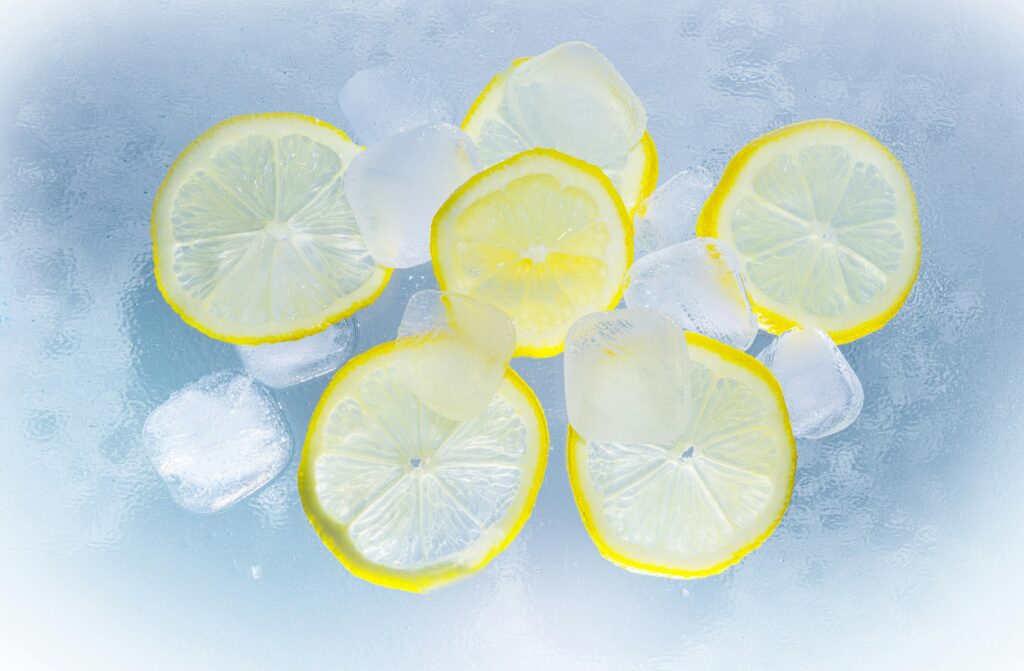
4. Lemon Water
Lemon water before meals may help stimulate digestive juices and support better breakdown of food.
5. Ajwain (Carom Seeds)
Ajwain with warm water is often used for occasional indigestion and gas.
Lifestyle Habits That Improve Digestion
How to improve digestion naturally
1. Walk After Meals
A gentle 10–15 minute walk after eating may:
- Improve metabolism
- Reduce bloating
Support smoother digestion
2. Manage Stress Levels
Stress can affect gut health. Practicing:
- Deep breathing
- Meditation
- Yoga
may help improve digestion naturally.
3. Get Enough Sleep
Poor sleep may disturb digestive hormones. Aim for 7–8 hours of quality sleep daily.
4. Avoid Lying Down Immediately After Eating
Wait at least 2 hours before lying down to prevent acidity and reflux.
Best Morning Routine to Improve Digestion Naturally at Home
A simple routine to improve digestion at home:
- Drink warm water after waking up
- Do light stretching or yoga
- Eat a fiber-rich breakfast
- Avoid mobile use while eating
- Take a short walk
Consistency in this routine may support long-term digestive health.
How to Improve Digestion Naturally
Foods to Limit for Better Digestion
While focusing on foods that help digestion, it is also important to reduce:
- Deep-fried foods
- Excess tea and coffee
- Highly processed snacks
- Carbonated drinks
- Overeating late at night
These foods may slow digestion and cause discomfort.
Signs Your Digestion Is Improving
You may notice:
- Regular bowel movements
- Less bloating and gas
- Better appetite
- More energy
- Feeling lighter after meals
Following natural digestion improvement tips regularly may lead to these positive changes over time.
Common Mistakes That Harm Digestion
How to improve digestion naturally
Avoid these habits:
- Eating too fast
- Drinking too much water during meals
- Skipping breakfast
- Overeating
- Sleeping immediately after dinner
Small corrections in daily habits can make a big difference.
how to improve digestion naturally
Frequently Asked Questions (FAQ)
1. How to improve digestion naturally at home?
You can improve digestion naturally by eating fiber-rich foods, drinking enough water, chewing food properly, walking after meals, and managing stress.
2. Which foods help digestion the most?
Papaya, curd, banana, ginger, fennel seeds, and oats are commonly known foods that help digestion.
3. How long does it take to improve digestion naturally?
With consistent healthy habits, many people notice improvements within a few weeks, though results may vary.
4. Is warm water good for digestion?
Warm water is often recommended as it may support bowel movements and improve metabolism.
5. Can stress affect digestion?
Yes, stress may slow digestion and cause bloating or acidity. Relaxation techniques can help.
6. What is the best morning habit for digestion?
Drinking warm water, doing light exercise, and eating a healthy breakfast are helpful morning habits.
7. Which drink is best for digestion?
Warm lemon water, ginger tea, and jeera water are some of the best natural drinks for better digestion.
8.What is the fastest way to improve digestion naturally?
Drinking warm water, eating fiber-rich foods, walking after meals, and avoiding junk food can quickly help improve digestion naturally.
9.Which foods are best for better digestion?
Curd, bananas, papaya, ginger, oats, and leafy vegetables are some of the best foods for healthy digestion.
Can poor digestion cause tiredness?
Yes, poor digestion can make you feel heavy, tired, bloated, and uncomfortable because your body may not absorb nutrients properly.
Conclusion
Improving your digestive health doesn’t require complicated changes. By following simple digestion improvement tips like eating slowly, staying hydrated, choosing the right foods, and maintaining an active lifestyle, you can support your gut naturally.
By following these tips, you can easily improve digestion naturally at home without medicines.
Small daily habits often lead to big long-term benefits. Focus on consistency rather than quick fixes. Over time, these natural methods may help you feel lighter, more energetic, and healthier.
Your digestive system works for you every single day, so taking a few minutes to care for it is always worth it. Stay consistent with these simple habits, listen to your body, and over time, you may notice a lighter, more comfortable, and more energetic version of yourself.
Disclaimer
This article is for general informational purposes only and is based on common lifestyle and nutrition knowledge. It does not replace professional medical advice, diagnosis, or treatment. If you experience persistent digestive problems, severe pain, or any medical condition, please consult a qualified healthcare professional.
By Life Balance Tips Team