

Introduction
In today’s fast-paced lifestyle, maintaining good health starts with everyday food choices. What we eat regularly plays an important role in supporting overall well-being and daily energy levels.
A balanced diet includes a variety of nutrient-rich foods that help the body function properly. Rather than focusing on quick solutions, healthy eating habits are about consistency, balance, and mindful food selection.
In this article, we’ll explore foods that are commonly included in a healthy diet and how they can fit into a balanced lifestyle. The focus is on simple, practical food choices that support general health and everyday well-being.
1. The Foundation of a Healthy Diet
1.1 Understanding Balanced Nutrition
Good nutrition is about balance. A healthy plate generally includes a mix of:
- Whole grains for sustained energy
- Lean proteins for muscle repair and strength
- Fruits and vegetables for vitamins, minerals, and antioxidants
- Healthy fats for brain and heart support
Your body can receive key nutrients from a combination of these dietary groups, which may help prevent chronic illnesses and support long-term vitality. read more
1.2 Why Natural Foods Matter
Natural and less processed foods are frequently the best for overall health. They hold onto their fiber, minerals, and healthy substances that can support optimal bodily functions. Conversely, processed foods are typically heavy in unhealthy fats, refined sugar, and additives, which over time can cause energy dumps and bad health.
2. Fruits – Nature’s Sweet Source of Nutrition
Fruits are often called “nature’s candy,” but unlike candy, they come packed with fiber, antioxidants, and vitamins that your body needs.
2.1 Berries
Berries such as blueberries, strawberries, and raspberries are loaded with antioxidants that can support brain health and fight inflammation. They are among the best foods to eat for good health because they may help protect cells from oxidative stress and support healthy aging.
2.2 Bananas
Rich in potassium and vitamin B6, bananas help maintain energy and muscle function. They’re perfect for a quick snack before or after exercise.
2.3 Citrus Fruits
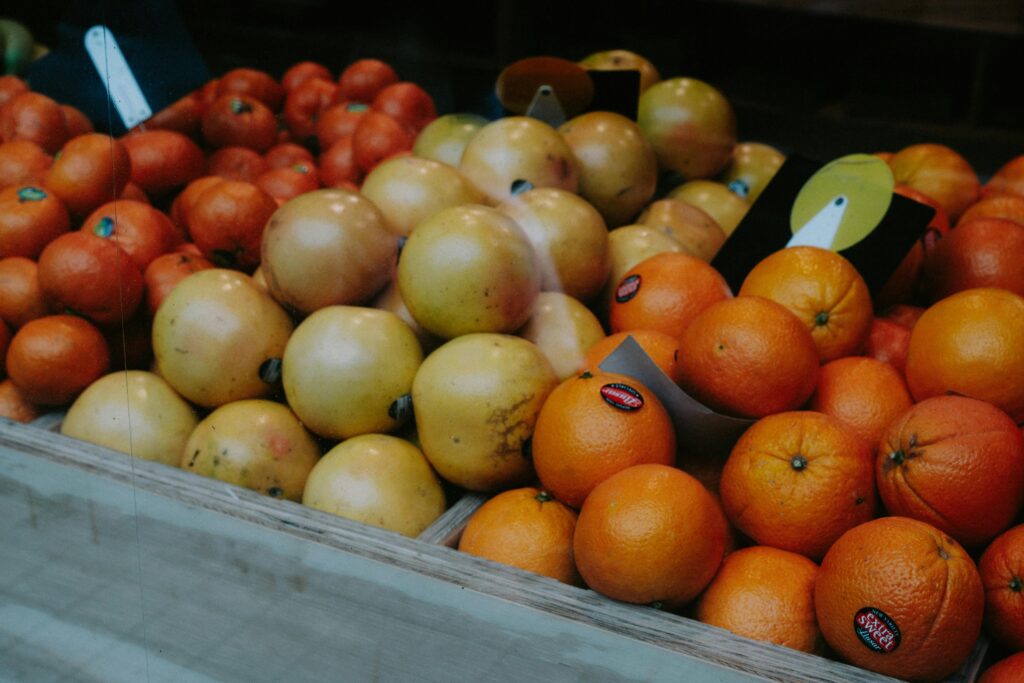
Oranges, lemons, and grapefruits are excellent sources of vitamin C, which can help strengthen the immune system and support skin health.
3. Vegetables – The Powerhouses of Wellness
Vegetables are a cornerstone of the best foods to eat for good health because they supply the body with fiber, vitamins, and minerals that promote digestion, heart health, and more.
3.1 Leafy Greens
Spinach, kale, and fenugreek leaves (methi) are loaded with iron, calcium, and antioxidants. Regular consumption can support strong bones, improve blood circulation, and enhance vitality.
3.2 Cruciferous Vegetables
Broccoli, cauliflower, and cabbage contain compounds that may help the body detoxify and support hormonal balance.
3.3 Root Vegetables
Carrots, sweet potatoes, and beets are rich in beta-carotene and fiber. These vegetables can support eye health and digestion. read more
4. Whole Grains – Sustained Energy for the Day
Whole grains are among the best foods to eat for good health because they provide long-lasting energy without spikes in blood sugar.
4.1 Brown Rice and Quinoa
These grains are rich in complex carbohydrates, fiber, and B vitamins that support metabolism and gut health.
4.2 Oats
Oats can help regulate cholesterol levels and improve heart health. A bowl of oatmeal with fruits and nuts makes for a perfect breakfast.
4.3 Millets and Barley
Traditional grains like ragi, jowar, and barley are nutrient-dense options that support weight management and digestion.

5. Protein-Rich Foods for Strength and Recovery
Protein is essential for repairing tissues, building muscle, and maintaining a strong immune system.
5.1 Legumes and Pulses
Lentils, chickpeas, and beans are excellent plant-based proteins. They are also high in fiber, which supports digestive health. read more
5.2 Eggs
Eggs are considered one of the best foods to eat for good health because they are packed with high-quality protein, vitamin D, and choline for brain function.
5.3 Fish and Lean Meats
Fatty fish like salmon and sardines provide omega-3 fatty acids that support heart and brain health. Lean meats such as chicken and turkey are good sources of iron and zinc.
6. Healthy Fats – Essential for Brain and Heart Health
6.1 Nuts and Seeds
Almonds, walnuts, flaxseeds, and chia seeds are nutrient-dense foods that can support heart health, reduce inflammation, and promote glowing skin.
6.2 Olive Oil and Mustard Oil
Cold-pressed oils are often recommended for cooking as they contain monounsaturated fats that may help improve cholesterol levels.
6.3 Avocados
Avocados are among the best foods to eat for good health because they provide healthy fats, potassium, and fiber — all beneficial for overall wellness.

7. Dairy and Calcium-Rich Foods
7.1 Milk and Yogurt
Dairy products can support bone health by providing calcium, vitamin D, and protein. Yogurt, in particular, also supports gut health due to its probiotics.
7.2 Paneer (Cottage Cheese)
A staple in many Indian diets, paneer is rich in protein and calcium, making it a wholesome food for vegetarians.
8. Hydration and Detox Foods
8.1 Water
Water is the foundation of all health. Staying hydrated supports every function in your body — from digestion to brain activity.
8.2 Herbal Teas
Green tea, chamomile, and ginger tea contain antioxidants that may help cleanse the body and improve digestion.
8.3 Coconut Water
Coconut water is one of the best foods to eat for good health when it comes to hydration, as it provides natural electrolytes and potassium.
9. Smart Eating Habits for Lifelong Health
- Eat more home-cooked meals
- Include a variety of colors on your plate
- Limit processed and fried foods
- Chew slowly and eat mindfully
- Maintain portion control
- Stay active and hydrated
These habits, combined with the best foods to eat for good health, can make a noticeable difference in your energy and well-being.
10. Table: Top Foods and Their Key Health Benefits
| Food Category | Example Foods | Key Benefits |
| Fruits | Berries, Oranges, Bananas | Rich in antioxidants, vitamin C, and fiber |
| Vegetables | Spinach, Broccoli, Carrots | Improve digestion, heart health, immunity |
| Whole Grains | Brown rice, Oats, Quinoa | Support energy and gut health |
| Protein Sources | Eggs, Lentils, Fish | Build muscles, repair tissues |
| Healthy Fats | Nuts, Seeds, Olive Oil | Support brain and heart health |
| Dairy | Milk, Yogurt, Paneer | Strengthen bones, support gut function |
FAQs About the Best Foods to Eat for Good Health
1. What are the top 10 best foods to eat for good health?
Some of the best include fruits, leafy greens, whole grains, eggs, fish, nuts, seeds, yogurt, lentils, and olive oil.
2. How can I improve my diet naturally?
Start by adding more whole foods and reducing processed items. Focus on fresh vegetables, fruits, and natural proteins.
3. Are fats unhealthy?
Not all fats are bad. Healthy fats from nuts, seeds, and olive oil can support brain and heart health.
4. Can vegetarians get enough protein?
Yes. Lentils, beans, soy products, and dairy are excellent vegetarian protein sources.
5. How many fruits should I eat daily?
Most nutritionists recommend 2–3 servings of fruit per day for a balanced diet.
6. Which foods are best for digestion?
Fiber-rich foods such as oats, bananas, yogurt, and vegetables can promote healthy digestion.
7. Can I eat rice and still be healthy?
Yes, when eaten in moderation. Choose brown rice or millets for better nutrition and fiber.
8. How important is hydration for good health?
Extremely important — water helps transport nutrients, regulate temperature, and flush out toxins.
Disclaimer
This article is for general informational purposes only. It is not intended as medical advice, diagnosis, or treatment. Always consult a qualified healthcare professional or nutritionist before making significant changes to your diet or lifestyle.
Conclusion
The best foods to eat for good health are simple, natural, and readily available. By including colorful fruits, leafy greens, whole grains, lean proteins, and healthy fats in your daily meals, you can nourish your body, mind, and spirit. Remember — good health is not about strict diets or deprivation, but about balance, awareness, and consistency.
Eat well, stay active, and enjoy the journey toward a healthier, happier life.
By Life Balance Tips Team