

introduction
Your brain works around the clock. Even while you sleep, it’s busy repairing cells, storing memories, and preparing you for the next day. But here’s something many people overlook: what you eat directly influences how well your brain performs.
From students preparing for exams to working professionals handling deadlines, everyone wants sharper focus, better memory, and improved mental clarity. The good news? You don’t need fancy supplements or complicated routines. Simple, everyday brain power foods can naturally support your cognitive health.
In this detailed guide, we’ll explore the top 7 foods that may help improve brain power naturally. These foods are widely researched, generally considered safe, and easy to include in your daily diet. Let’s dive in.
Staying hydrated also plays an important role in brain function. You can read our detailed guide on Morning Water Benefits to understand how water supports memory and focus.

Why Nutrition Matters for Brain Health
Your brain uses about 20% of your body’s energy, even though it makes up only around 2% of your body weight. That means it needs a steady supply of nutrients to function efficiently.
A diet rich in brain power foods may help:
- Support memory and learning
- Improve concentration
- Maintain mental alertness
- Reduce mental fatigue
- Support long-term cognitive health
On the other hand, highly processed foods, excess sugar, and unhealthy fats may negatively affect mood, focus, and overall brain performance.
Let’s look at the top 7 foods that are often recommended for better brain health.
Staying hydrated is essential for better focus and memory. You can also read our detailed guide on Morning Water Benefits to understand how proper hydration supports brain function naturally
1. Fatty Fish – Nature’s Omega-3 Powerhouse
Why Fatty Fish Is Good for the Brain
Fatty fish such as salmon, mackerel, sardines, and tuna are among the most well-known brain power foods.
They are rich in omega-3 fatty acids, particularly DHA (docosahexaenoic acid), which is an important structural component of the brain.
Omega-3s may help:
- Support brain cell structure
- Promote better communication between brain cells
- Support memory and learning
- Maintain overall cognitive health
How to Include It in Your Diet
- Grilled or baked salmon twice a week
- Sardines on whole-grain toast
- Tuna in salads
- Fish curry (popular in Indian cuisine)
If you’re vegetarian, plant-based omega-3 sources like flaxseeds and walnuts can also support brain health, though conversion in the body is limited.
Staying hydrated is essential for better focus and memory. You can also read our detailed guide on Morning Water Benefits to understand how proper hydration supports brain function naturally
1. Fatty Fish – Nature’s Omega-3 Powerhouse
Why Fatty Fish Is Good for the Brain
Fatty fish such as salmon, mackerel, sardines, and tuna are among the most well-known brain power foods.
They are rich in omega-3 fatty acids, particularly DHA (docosahexaenoic acid), which is an important structural component of the brain.
Omega-3s may help:
- Support brain cell structure
- Promote better communication between brain cells
- Support memory and learning
- Maintain overall cognitive health
How to Include It in Your Diet
- Grilled or baked salmon twice a week
- Sardines on whole-grain toast
- Tuna in salads
- Fish curry (popular in Indian cuisine)
If you’re vegetarian, plant-based omega-3 sources like flaxseeds and walnuts can also support brain health, though conversion in the body is limited.
According to research shared by the World Health Organization [WHO] a balanced and nutrient-rich diet plays a vital role in maintaining overall brain health and cognitive performance.
🔗 “World Health Organization (WHO).”
2. Blueberries – Small but Powerful
The Brain-Boosting Benefits
Blueberries are packed with antioxidants, especially flavonoids. These compounds may help protect brain cells from oxidative stress.
Research suggests that berries are among the most beneficial brain power foods for memory and cognitive function.
They may:
- Support memory retention
- Help maintain mental sharpness
- Reduce inflammation in the brain
Easy Ways to Eat Blueberries
- Add to morning oats
- Blend into smoothies
- Mix with yogurt
- Eat as a snack
If blueberries are expensive or unavailable, local berries like jamun or strawberries can also provide similar antioxidant benefits.
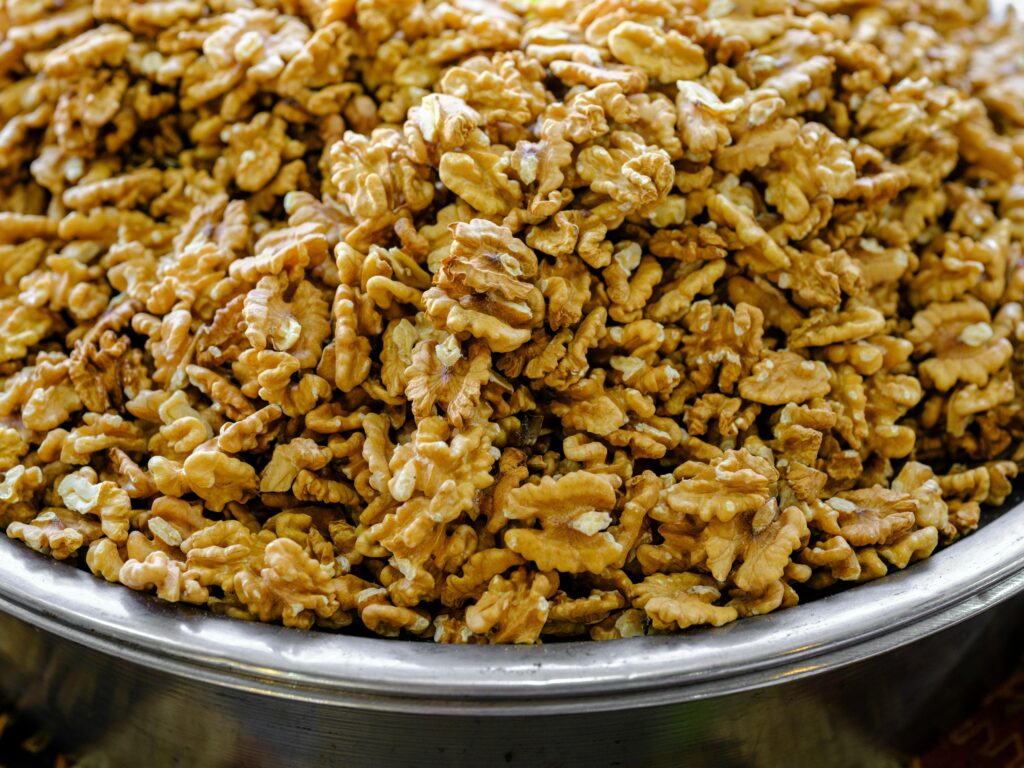
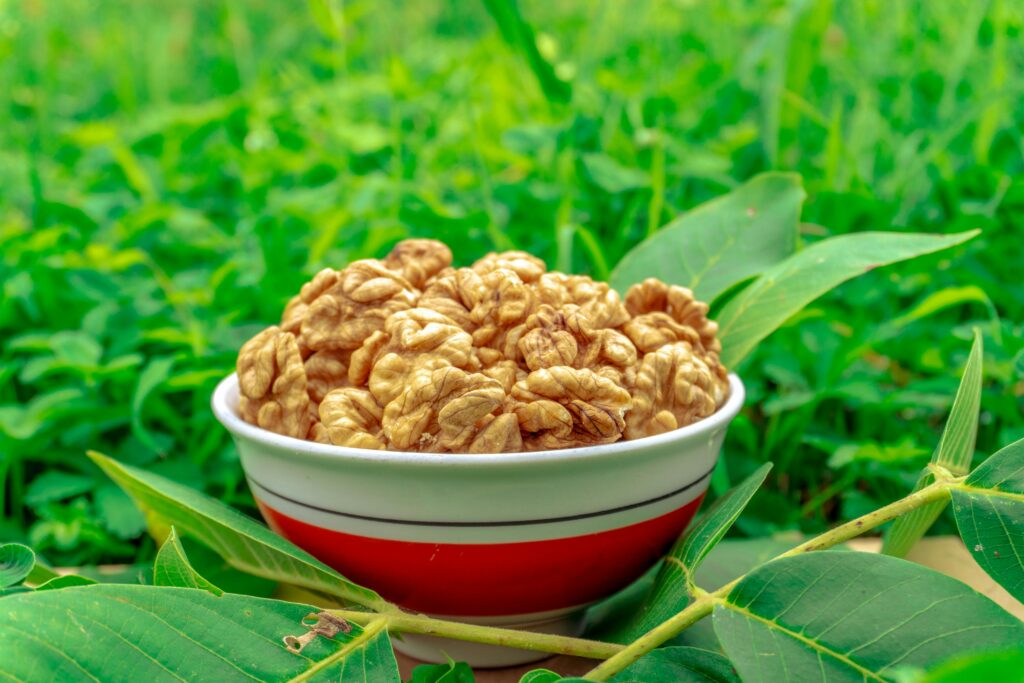
3. Walnuts – Brain-Shaped for a Reason
It’s interesting how walnuts look like tiny brains — and they are indeed considered one of the most effective brain power foods.
Nutritional Highlights
Walnuts contain:
- Omega-3 fatty acids
- Vitamin E
- Antioxidants
- Healthy fats
Vitamin E may help protect brain cells from damage over time.

How They May Help
Walnuts may:
- Support cognitive performance
- Help with concentration
- Promote better brain aging
Practical Tips
- Eat 4–5 soaked walnuts in the morning
- Add chopped walnuts to salads
- Mix into a homemade trail mix
4. Turmeric – The Golden Spice
Turmeric has been used in Indian kitchens for centuries. Its active compound, curcumin, has gained attention for potential brain-supporting properties.
How Turmeric Supports Brain Health
Curcumin may:
- Support memory
- Promote better mood balance
- Help maintain brain cell health
While research is ongoing, turmeric is widely considered one of the traditional brain power foods in Indian households.
Easy Ways to Use Turmeric
- Add to curries and dals
- Drink turmeric milk (haldi doodh)
- Add a pinch to soups
Combining turmeric with black pepper may improve absorption.
5. Pumpkin Seeds – Tiny Nutritional Boosters
Pumpkin seeds may be small, but they are loaded with nutrients essential for brain function.
Key Nutrients
- Magnesium
- Zinc
- Iron
- Antioxidants
These nutrients may help support:
- Nerve signaling
- Memory
- Mood balance
- Overall brain performance
Because of their nutrient density, pumpkin seeds are often listed among beneficial brain power foods.
How to Eat Them
- Sprinkle over salads
- Add to smoothies
- Roast lightly for snacks
- Mix into breakfast cereals
6. Dark Chocolate – A Delicious Brain Treat
Good news for chocolate lovers! Dark chocolate (70% cocoa or higher) contains flavonoids, caffeine, and antioxidants.
Potential Brain Benefits
Dark chocolate may:
- Support focus
- Improve blood flow to the brain
- Enhance short-term alertness
In moderation, it can be part of a balanced diet that includes brain power foods.
Smart Tips
- Choose low-sugar dark chocolate
- Limit to small portions
- Avoid milk chocolate with high sugar
7. Leafy Green Vegetables – Everyday Brain Support
Spinach, kale, fenugreek leaves, and other greens are nutritional powerhouses.
They contain:
- Vitamin K
- Folate
- Beta carotene
- Antioxidants
These nutrients may support cognitive function and are generally recommended in diets that include brain power foods.
Easy Ways to Include Greens
- Add spinach to the dal
- Make green smoothies
- Prepare palak paneer
- Add to sandwiches or wraps
Summary Table: Top 7 Brain Power Foods and Their Benefits
| Food | Key Nutrients | How It May Support Brain Health | Easy Ways to Eat |
| Fatty Fish | Omega-3 (DHA), Protein | Supports brain structure and memory | Grilled fish, curry, salad |
| Blueberries | Antioxidants, Flavonoids | Helps protect brain cells, supports memory | Smoothies, oats, yogurt |
| Walnuts | Omega-3, Vitamin E | Supports cognitive performance | Soaked nuts, salads |
| Turmeric | Curcumin | May support memory and mood | Curries, turmeric milk |
| Pumpkin Seeds | Magnesium, Zinc, Iron | Supports nerve signaling | Roasted snack, salads |
| Dark Chocolate | Flavonoids, Antioxidants | May enhance focus | Small square daily |
| Leafy Greens | Vitamin K, Folate | Supports overall cognitive function | Dal, curries, smoothies |
How to Combine Brain Power Foods for Maximum Benefit
Instead of relying on one food, a balanced approach works best.
Here’s a simple sample daily plan:
Breakfast: Oats with blueberries and walnuts
Lunch: Spinach dal with brown rice
Snack: Pumpkin seeds and dark chocolate
Dinner: Grilled fish with sautéed vegetables
Bedtime: Turmeric milk
This way, you naturally include multiple brain power foods throughout your day.
Lifestyle Habits That Enhance Brain Health
While nutrition plays a key role, brain health also depends on lifestyle factors.
1. Stay Physically Active
Exercise may improve blood flow to the brain.
2. Sleep Well
7–8 hours of sleep supports memory and focus.
3. Stay Hydrated
Even mild dehydration may affect concentration.
4. Practice Mental Stimulation
Reading, puzzles, and learning new skills can help keep the brain active.
Combining these habits with brain power foods can create a strong foundation for long-term mental wellness.
Common Myths About Brain Power Foods
Myth 1: One Food Can Make You a Genius
No single food can drastically boost intelligence overnight. Brain health improves gradually with consistent habits.
Myth 2: Supplements Are Better Than Food
Whole foods provide fiber and multiple nutrients that work together naturally.
Myth 3: Only Older Adults Need Brain-Boosting Foods
People of all ages can benefit from including brain power foods in their daily meals.
Frequently Asked Questions (FAQs)
1. How long does it take for brain power foods to show results?
In many cases, dietary changes support long-term health rather than immediate effects. Consistency over weeks and months may help you notice better focus and energy levels.
2. Can brain power foods improve memory in students?
A balanced diet including brain power foods may support concentration and learning abilities, especially when combined with proper sleep and study habits.
3. Are these foods safe for daily consumption?
Most of the foods listed are generally considered safe when eaten in normal amounts as part of a balanced diet. Individuals with allergies or medical conditions should consult a healthcare professional.
4. Is vegetarian food enough for brain health?
Yes. Plant-based brain power foods like walnuts, seeds, leafy greens, and berries can support cognitive health. Vegetarians can focus on diverse nutrient sources.
5. Does sugar affect brain performance?
Excess sugar intake may lead to energy crashes and reduced concentration. Limiting processed sugar can help maintain steady mental energy.
6. Can children eat these brain power foods?
In general, many of these foods can be included in children’s diets in age-appropriate portions. Always consider allergies and consult a pediatric professional if unsure.
7. Is coffee considered a brain power food?
Coffee may improve alertness temporarily due to caffeine. However, it should be consumed in moderation and not replace nutrient-rich foods.
8. Do brain power foods prevent memory loss?
No food can guarantee the prevention of memory-related conditions. However, a diet rich in brain-boosting foods may support long-term brain health as part of an overall healthy lifestyle.
Professional Health Disclaimer
This article is intended for general informational purposes only. It is not a substitute for professional medical advice, diagnosis, or treatment. The information provided here is based on general nutrition knowledge and lifestyle research. Individual health needs vary. Always consult a qualified healthcare professional before making significant changes to your diet, especially if you have underlying medical conditions, allergies, or specific nutritional requirements.
Conclusion: Feed Your Brain the Right Way
Your brain is one of the most important organs in your body. Taking care of it doesn’t require expensive supplements or extreme diets. Simple, natural brain power foods like fatty fish, walnuts, blueberries, turmeric, leafy greens, pumpkin seeds, and dark chocolate can support mental clarity and cognitive health.
Remember, consistency matters more than perfection. Small daily choices — choosing a handful of nuts over processed snacks, adding greens to your meals, or enjoying a piece of dark chocolate — can add up over time.
Pair these foods with regular exercise, quality sleep, and mental stimulation, and you create a powerful foundation for lifelong brain health.
Start today. Your brain will thank you for it.
By Life Balance Tips Team