
Introduction
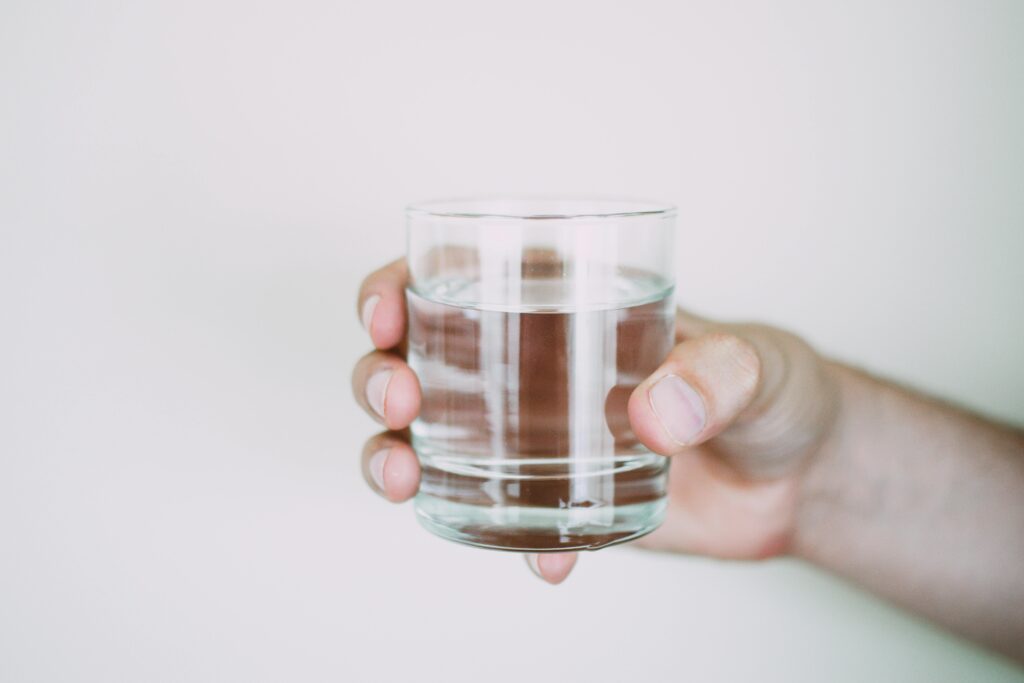
After a long night of sleep, your body wakes up slightly dehydrated. You haven’t had any fluids for several hours, yet your body has been working nonstop—breathing, repairing tissues, and regulating temperature. This is where drinking water after waking up becomes an important and simple daily habit.
Morning hydration helps gently wake up your system and supports many everyday body functions. While it’s not a miracle cure, starting your day with water is a small, practical step toward better daily wellness. In this article, we’ll explore the importance of drinking water in the morning, how it supports a healthy routine, and simple ways to make it a habit without overthinking it.
Many people notice this habit makes mornings feel lighter and more refreshing.
Understanding Morning Hydration and Your Body’s Needs
What Happens to Your Body Overnight
While you sleep, your body continues to function, even though you’re resting. During the night:
- You lose water through breathing and sweating
- Your digestive system slows down
- Your muscles and tissues go through repair processes
By morning, your body naturally needs fluids. That’s why morning hydration matters—it helps replenish what was lost overnight.Click here to read the full article and discover simple health benefits.
Why Morning Hydration Matters
Morning hydration supports your body’s natural rhythm. Drinking water after waking up can help you feel refreshed and ready to start the day. It’s not about detoxing or curing anything—it’s simply about giving your body the hydration it needs to function comfortably.Click here to read the full article and discover simple health benefits.
Water plays a role in:
- Supporting circulation
- Helping maintain body temperature
- Assisting digestion
This makes drinking water in the morning a sensible habit for daily comfort and balance.

Why Drinking Water After Waking Up Is Important for Digestion
Supporting a Gentle Digestive Start
Your digestive system benefits from a slow, gentle start in the morning. Drinking water after waking up may help prepare your stomach and intestines for food later in the day.
Water can:
- Help soften food for easier digestion
- Support regular bowel movements
- Reduce feelings of morning sluggishness
It’s not a treatment or solution for digestive problems, but it can support normal digestive processes.
Water and Metabolism: A Natural Connection
While water alone doesn’t boost metabolism dramatically, staying hydrated helps your body carry out everyday metabolic tasks efficiently. Drinking water after waking up helps rehydrate cells and supports energy use throughout the day.Click here to read the full article and discover simple health benefits.
The key is consistency, not quantity. A glass or two is usually enough to start.
The Importance of Drinking Water for Energy and Focus
How Hydration Affects Mental Clarity
Mild dehydration can sometimes make you feel tired or unfocused. Starting your day with water helps your brain function more comfortably by supporting blood flow and oxygen delivery.
People who practice morning hydration often say they feel:
- More alert
- Less groggy
- Better prepared for daily tasks
This doesn’t replace sleep, nutrition, or caffeine if you enjoy it—but water sets a healthy foundation.
Drinking Water Before Coffee or Tea
Many people reach for coffee right after waking up. While there’s nothing wrong with that, having water first can be a good balance.
Benefits of water before caffeine include:
- Supporting hydration before diuretic effects
- Reducing dry mouth
- Helping your stomach feel settled
You don’t need to give up coffee—just consider adding water first.Click here to read the full article and discover simple health benefits.
Drinking Water After Waking Up and Physical Comfort
Supporting Muscles and Joints
Your muscles and joints contain water, and hydration supports their flexibility. Drinking water after waking up helps restore fluid balance, especially if you’re physically active or exercise later in the day.
While water won’t prevent soreness or injury, it supports normal movement and comfort.

Water for a Healthy Body Throughout the Day
Water for a healthy body is not about extremes—it’s about balance. Morning hydration helps set the tone for regular water intake throughout the day.
This can support:
- Comfortable movement
- Temperature regulation
- Overall physical ease
Think of it as a daily reset, not a cure.
How Much Water Should You Drink in the Morning?
Listening to Your Body
There’s no one-size-fits-all amount. Factors like body size, climate, and activity level all play a role. Most people feel comfortable starting with:
- 1 glass (200–250 ml)
- Up to 2 glasses if it feels right
Drinking water after waking up should feel refreshing, not forced.
Warm Water vs. Cold Water
Some people prefer warm water, while others enjoy cold water. Both are fine.
- Warm water may feel soothing and gentle
- Cold water may feel refreshing and energizing
Choose what feels best for you. The temperature matters less than the habit itself.
Click here to read the full article and discover simple health benefits.

Simple Morning Hydration Routine (Table)
| Morning Habit | Purpose | Easy Tip |
| Drink 1 glass of water | Rehydrate after sleep | Keep a glass by your bed |
| Wait 10–15 minutes | Let body adjust | Breathe and stretch lightly |
| Eat breakfast | Support energy needs | Include water-rich foods |
| Continue hydration | Maintain balance | Sip water through the day |
This simple routine supports the importance of drinking water without making it complicated.
Common Myths About Drinking Water After Waking Up
Myth 1: It “Flushes Out Toxins”
Your liver and kidneys already handle detoxification. Drinking water after waking up supports hydration but doesn’t “flush toxins” in a special way.
Myth 2: You Must Drink a Large Amount
You don’t need to drink excessive amounts. Comfort and consistency matter more than volume.
Myth 3: Cold Water Is Bad in the Morning
There’s no strong evidence that cold water is harmful in the morning. Preference is personal.
Understanding these myths helps keep expectations realistic and healthy.
Practical Tips to Make Morning Hydration a Habit
Keep It Simple
- Use a favorite glass or bottle
- Place water near your bed
- Drink before checking your phone
Add Natural Flavor (Optional)
If plain water feels boring, try:
- A slice of lemon
- A few cucumber slices
- A splash of mint
Avoid adding sugar or artificial sweeteners.
Pair It With Another Habit
Link drinking water after waking up with something you already do, like brushing your teeth or opening the curtains.
FAQ: Drinking Water After Waking Up
1. Is drinking water after waking up safe for everyone?
For most people, yes. If you have specific health conditions or fluid restrictions, it’s best to follow professional guidance.
2. Can I drink water immediately after waking up?
Yes, many people do. Start slowly and see how your body feels.
3. Does morning hydration replace other healthy habits?
No. It supports a healthy routine but doesn’t replace balanced meals, sleep, or activity.
4. Is warm water better than cold water in the morning?
Neither is universally better. Choose what feels comfortable for you.
5. Can I add lemon to my morning water?
Yes, in small amounts. It’s a personal preference and not required.
Final Thoughts
Drinking water after waking up is a simple, gentle habit that supports daily comfort and balance. It helps your body rehydrate after sleep and prepares you for the day ahead. While it’s not a cure or guaranteed solution, it plays a supportive role in a healthy lifestyle.
By focusing on morning hydration, listening to your body, and keeping expectations realistic, you can build a habit that feels natural and sustainable. Small daily actions often lead to long-term wellness routines—and water is one of the easiest places to start.
Disclaimer
This content is for informational purposes only and is not intended to replace professional medical advice, diagnosis, or treatment.
By Life Balance Tips Team