
A healthy gut is the foundation of overall wellness. From digestion and immunity to mood and energy levels, your gut plays a much bigger role than most people realise. One of the simplest ways to support your digestive system is by including probiotic foods for gut health in your daily morning routine.
Probiotics are “good bacteria” that live in your digestive tract. Eating foods rich in these friendly microbes may help balance your gut microbiome, improve digestion, and support better nutrient absorption. The good news? You don’t need expensive supplements. Many natural, affordable Indian and global foods are rich in probiotics.
In this article, we’ll explore the 7 best probiotic foods for gut health that you can easily add to your breakfast, along with practical tips, benefits, and answers to common questions.
If you often feel gas, acidity, or discomfort after breakfast, your gut might be missing good bacteria. The right probiotic foods in the morning can naturally support digestion and help you feel fresh from the start of your day.
Why Morning Is the Best Time for Probiotic Foods

probiotic foods for gut health
Starting your day with morning probiotic foods can be beneficial for several reasons:
- Your stomach is relatively empty, which may help good bacteria survive better.
- It supports smoother digestion throughout the day.
- It may reduce bloating and heaviness after meals.
- It sets a healthy tone for your food choices.
Adding natural probiotics for digestion in the morning can be a simple and powerful habit for long-term gut wellness.
Scientific studies also suggest that probiotics help maintain a healthy balance of gut bacteria and support better digestion and immunity when consumed regularly as part of a balanced diet.
1. Curd (Dahi)
Curd is one of the most easily available and affordable foods with good bacteria, especially in Indian households.
Why Curd Is Good for Gut Health
Curd contains live cultures that may help:
- Improve digestion
- Support healthy bowel movements
- Reduce occasional bloating
- Enhance nutrient absorption
It is generally considered one of the best probiotic foods for gut health, especially when made at home using fresh milk and live starter culture.
How to Eat It in the Morning
- Plain curd with soaked chia seeds
- Curd with fruits like banana or papaya
- Add it to vegetable poha or paratha
- Blend into a smoothie
Tip: Avoid adding too much sugar. Natural or lightly sweetened options are better for digestion.
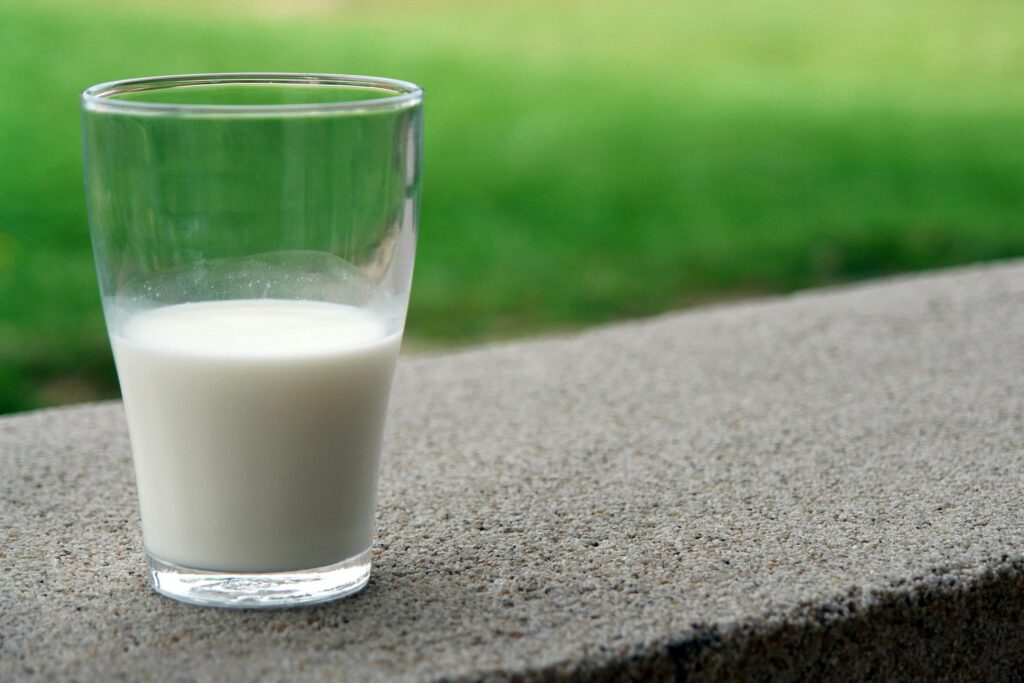
2. Buttermilk (Chaas)
probiotic foods for gut health
Buttermilk is a lighter alternative to curd and is easy on the stomach.
Benefits of Buttermilk
- May support smoother digestion
- Helps maintain hydration
- Often recommended for reducing acidity
- Can support gut-friendly bacteria growth
It is one of the simplest probiotic foods for gut health that can be consumed daily.
Morning Use Ideas
- A glass of plain chaas with roasted cumin
- Add mint leaves and a pinch of black salt
- Pair it with breakfast like idli or upma
It is especially helpful in warm climates and may help prevent digestive discomfort.
3. Idli and Dosa (Fermented Rice & Dal Batter)

probiotic foods for gut health
Traditional South Indian breakfast options like idli and dosa are made from fermented batter.
Why Fermented Foods Matter
During fermentation, beneficial bacteria grow naturally. These foods with good bacteria may help:
- Improve gut balance
- Make nutrients easier to absorb
- Support smoother digestion
Idli is light and easy to digest, making it an excellent morning choice.
Healthy Tip
- Use homemade fermented batter
- Pair with coconut chutney for added fibre
- Avoid deep-frying regularly
Including fermented breakfast items is a practical way to add natural probiotics for digestion into your routine.
4. Kanji (Fermented Carrot or Beet Drink)
Kanji is a traditional fermented drink made with black carrots or beetroot.
Why It’s Good for You
- Naturally fermented
- Rich in antioxidants
- May support gut balance
- Refreshing and low in calories
Kanji is slowly gaining popularity as one of the best probiotic foods for gut health, especially during winter.
How to Use
- Drink ½ to 1 glass in the morning
- Ensure it is properly fermented (slightly sour taste)
- Store in a clean glass jar
5. Sauerkraut
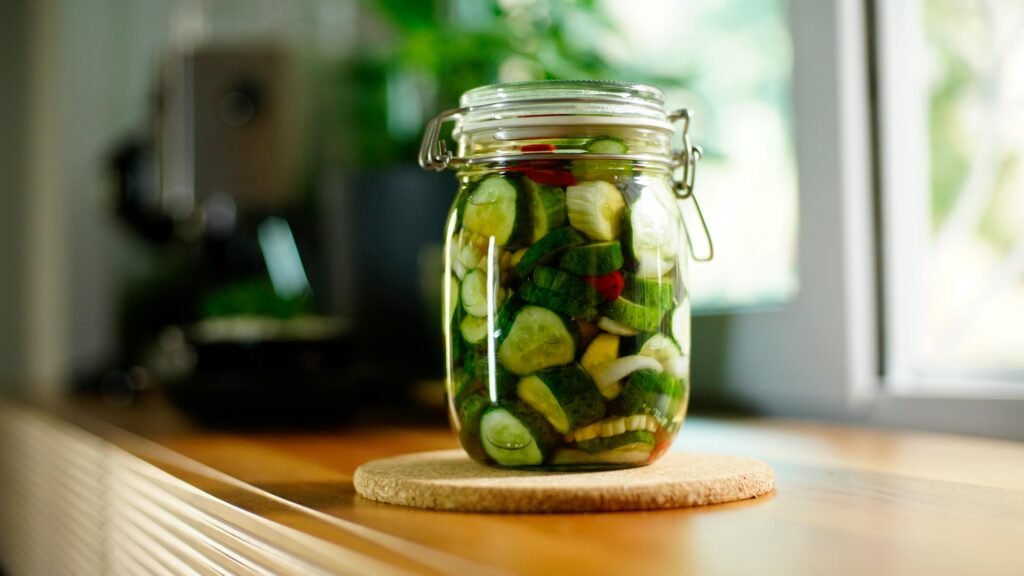
Sauerkraut is fermented cabbage and is widely consumed in European countries.
Benefits
- Rich in fibre and probiotics
- May help improve digestion
- Supports healthy gut bacteria growth
It is one of the globally popular foods with good bacteria that you can easily add to salads or sandwiches.
How to Eat in the Morning
- Add 1–2 tablespoons to your vegetable sandwich
- Mix with scrambled eggs or tofu
- Add to salads
Choose unpasteurised versions, as pasteurisation may reduce live cultures.
6. Kefir
Kefir is a fermented milk drink, similar to thin curd but richer in probiotic strains.
Why Kefir Is Powerful
Kefir contains multiple strains of beneficial bacteria and yeast. It may:
- Support digestive balance
- Improve lactose digestion
- Promote gut diversity
Kefir is often considered one of the strongest probiotic foods for gut health available naturally.
Morning Consumption Ideas
- Drink plain kefir
- Blend with fruits for a smoothie
- Add oats and nuts
If you are new to kefir, start with small quantities.
7. Pickled Vegetables (Naturally Fermented)
Traditional homemade pickles made without vinegar (only salt and natural fermentation) can contain beneficial bacteria.
Why They Help
- Support digestive enzyme activity
- Add flavour and variety
- May promote healthy gut bacteria
These morning probiotic foods can be eaten in small amounts with paratha, dal, or other breakfast dishes.
Important: Eat in moderation due to salt content.
Quick Comparison Table
| Food | Type | Easy Morning Use | Main Benefit |
| Curd | Dairy | With fruits or plain | Supports digestion |
| Buttermilk | Dairy drink | Plain or spiced | Light on stomach |
| Idli/Dosa | Fermented grains | With chutney | Easy to digest |
| Kanji | Fermented drink | 1 glass empty stomach | Refreshing probiotic |
| Sauerkraut | Fermented vegetable | In sandwich/salad | Fibre + probiotics |
| Kefir | Fermented milk | Smoothie | Multiple probiotic strains |
| Natural Pickles | Fermented vegetable | Small side portion | Supports gut balance |
Practical Tips to Get Maximum Benefits
To make the most of probiotic foods for gut health, follow these simple habits:
- Start with small portions if you’re new to fermented foods.
- Choose homemade or naturally fermented options.
- Avoid heavily processed or pasteurised versions.
- Combine probiotics with fibre-rich foods (like fruits, oats, vegetables).
- Stay hydrated throughout the day.
Remember, consistency matters more than quantity.
Lifestyle Habits That Support Gut Health
Along with eating natural probiotics for digestion, these habits may support better gut balance:
- Eat meals at regular times
- Chew food slowly
- Reduce excessive sugar intake
- Manage stress with yoga or meditation
- Get 7–8 hours of sleep
Gut health is not just about one food — it’s about overall lifestyle balance.
Frequently Asked Questions (FAQs)
1. What are probiotic foods for gut health?
They are foods that contain live beneficial bacteria which may help balance the digestive system. Examples include curd, kefir, fermented vegetables, and buttermilk.
2. Can I eat probiotic foods every day?
Yes, most probiotic foods for gut health can be eaten daily in moderate amounts as part of a balanced diet.
3. Is it better to eat probiotics in the morning?
Morning probiotic foods are often recommended because the stomach is relatively empty, which may help beneficial bacteria survive better.
4. Are fermented foods safe for everyone?
Generally, fermented foods are considered safe. However, people with specific medical conditions should consult a healthcare professional before making major dietary changes.
5. How long does it take to see digestive improvement?
Results vary from person to person. Some people may notice better digestion within days, while for others it may take a few weeks of consistent intake.
6. Can children and elderly people consume probiotic foods?
Yes, in moderate amounts and if well tolerated. Simple options like curd or buttermilk are usually suitable for most age groups.
Conclusion
Your gut works hard every single day. Supporting it doesn’t require complicated diets or expensive products. By adding simple, traditional, and natural probiotic foods for gut health to your morning routine, you may help improve digestion, enhance nutrient absorption, and promote overall wellness.
From curd and buttermilk to fermented vegetables and kefir, there are many easy options available. The key is consistency, moderation, and pairing these foods with a balanced lifestyle.
Small daily habits can make a big difference over time.
You can also check our detailed guide on morning drinks for digestion to further support your gut health naturally. These simple habits, when combined with probiotic foods, can significantly improve your digestive system.

If you want to know what to eat on an empty stomach for better digestion, read our recommended gut-friendly food list for a complete morning routine.
Start adding one probiotic food to your morning routine today and notice the difference in your digestion and energy levels. For more simple and natural health tips, explore our other gut health and digestion guides.
Health Disclaimer
This article is for informational purposes only and is based on general health and nutrition knowledge. It does not replace professional medical advice, diagnosis, or treatment. Probiotic foods may support digestion and gut balance, but they are not intended to cure or prevent any disease. Always consult a qualified healthcare professional before making significant dietary changes, especially if you have underlying health conditions.