
Getting good sleep is essential for overall health, energy levels, mood, and productivity. However, many people struggle to fall asleep or stay asleep at night. While lifestyle habits and stress levels play a role, diet can also influence sleep quality.
Certain foods that help you sleep contain natural compounds like magnesium, tryptophan, melatonin, and complex carbohydrates that may support relaxation and healthy sleep patterns. Including these sleep-promoting foods in your evening meals or snacks can be a simple and natural way to support better rest.
In this guide, we’ll explore the 10 best foods for sleep, how they work, and practical tips to include them in your daily routine.
you enjoy natural sleep remedies, you may also like our guide on herbal teas for sleep and relaxation.
Why Food Can Affect Your Sleep
The food you eat during the day—and especially in the evening—can influence how easily you fall asleep. Some foods for better sleep contain nutrients that support the production of sleep-related hormones like melatonin and serotonin.
These nutrients may:
- Help relax the body and mind
- Support natural sleep cycles
- Reduce nighttime restlessness
- Promote calmness before bedtime
Choosing the right natural foods that help you sleep may improve sleep quality over time when combined with healthy bedtime habits.
Nutrients That Support Better Sleep
Many foods that help you sleep contain essential nutrients that relax the body, calm the mind, and promote deeper, better sleep.
- Tryptophan – An amino acid that helps the body produce serotonin and melatonin
- Magnesium – Helps relax muscles and calm the nervous system
- Melatonin – A hormone that regulates sleep-wake cycles
- Calcium – Supports brain function related to sleep
- Complex carbohydrates – Help tryptophan reach the brain more easily
Many of the best foods for sleep naturally contain these nutrients.
10 Best Foods That Help You Sleep Naturally
1. Almonds
Almonds are often recommended among foods that help you sleep better because they are rich in magnesium and healthy fats.
Magnesium plays an important role in relaxing muscles and supporting the nervous system.
How almonds may help sleep:
- May reduce nighttime muscle tension
- Support relaxation
- Provide healthy fats that keep you satisfied
Tip:
A small handful of almonds in the evening can be a light and healthy snack.
2. Bananas
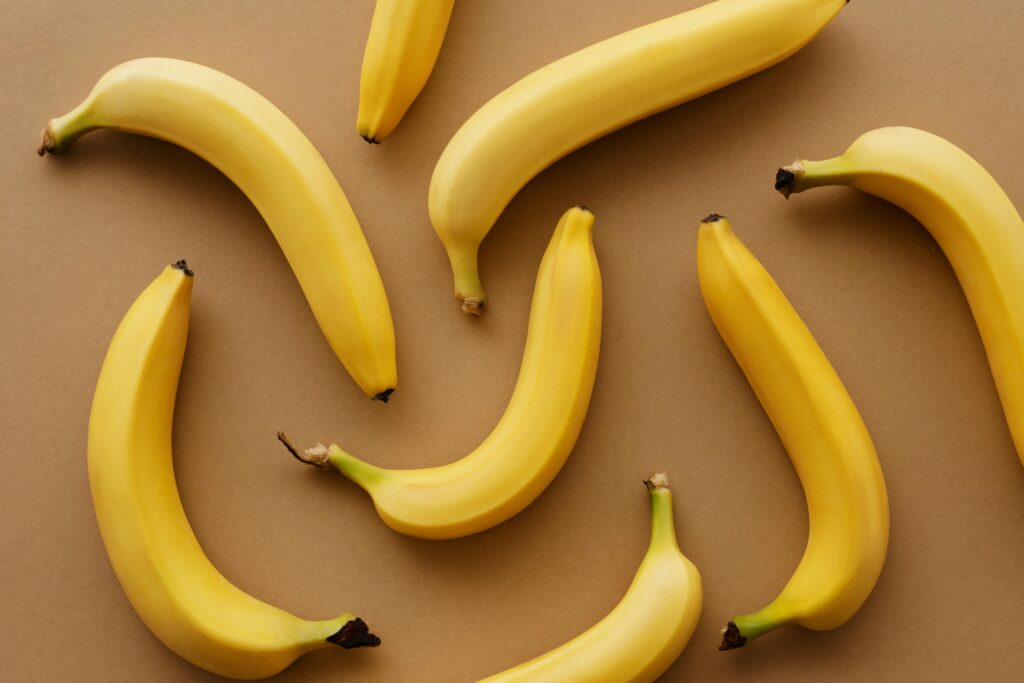
Bananas are one of the most popular foods that help you sleep because they contain magnesium, potassium, and tryptophan.
These nutrients may support muscle relaxation and promote calmness before bedtime.
Benefits for sleep:
- Helps relax muscles
- Supports serotonin production
- Provides natural carbohydrates that may help tryptophan work better
Tip:
Try eating a banana about 1–2 hours before bedtime.
3. Warm Milk
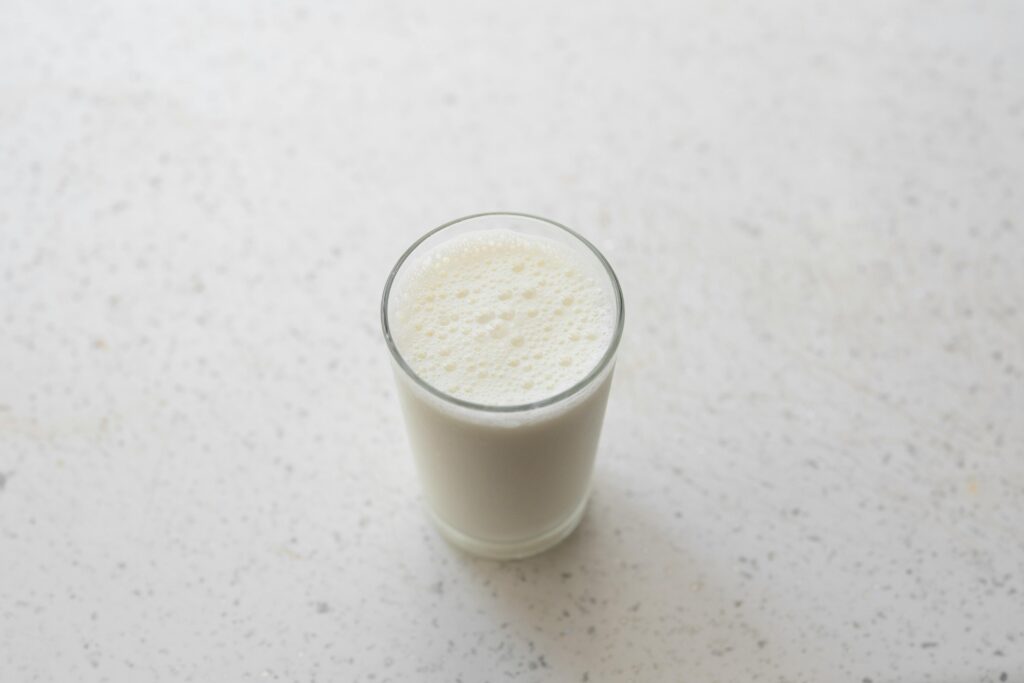
Warm milk has long been considered one of the traditional sleep-promoting foods. It contains tryptophan and calcium, which may support sleep-related hormone production.
Why warm milk may help:
- Contains tryptophan
- Supports melatonin production
- Warm temperatures may create a calming bedtime routine
Tip:
A small cup of warm milk before bed is a simple nighttime habit many people find relaxing.
4. Oats
Oats are commonly associated with breakfast, but they can also be among the best foods for sleep.
They contain melatonin, magnesium, and complex carbohydrates that may support relaxation.
Why oats are helpful:
- Provide slow-release energy
- Contains natural melatonin
- Support serotonin production
Tip:
A small bowl of oatmeal in the evening can be a comforting and healthy snack.
5. Kiwi
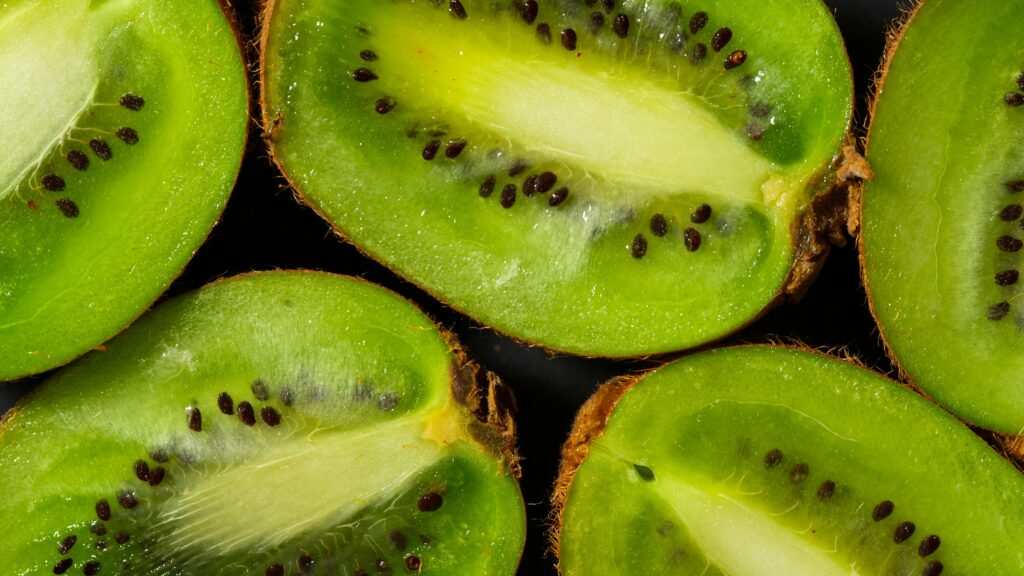
Kiwi is gaining attention as one of the natural foods that help you sleep because it contains antioxidants and serotonin.
Some lifestyle studies suggest that eating kiwi may support better sleep quality.
Potential sleep benefits:
- Rich in antioxidants
- Supports serotonin production
- Low-calorie and nutrient-dense
Tip:
Try eating one or two kiwis about an hour before bedtime.
6. Walnuts
Walnuts contain natural melatonin and healthy omega-3 fatty acids. These nutrients make them one of the useful foods that make you sleepy.
Why walnuts support sleep:
- Provide melatonin
- Contain healthy fats that support brain function
- Help stabilize energy levels
Tip:
A small handful of walnuts can be a satisfying nighttime snack.
7. Fatty Fish
Fish like salmon, tuna, and mackerel are rich in vitamin D and omega-3 fatty acids. These nutrients may support serotonin production, which plays a role in sleep regulation.
Benefits of fatty fish for sleep:
- Supports serotonin levels
- Provides protein and healthy fats
- May help regulate sleep patterns
Tip:
Including fatty fish in dinner meals a few times per week may support overall sleep health.

8. Rice
Rice is a staple food in many countries and may also be among the helpful foods for better sleep.
White rice has a higher glycemic index, which may support the availability of tryptophan in the brain when eaten in moderate portions.
Possible sleep benefits:
- Provides easily digestible carbohydrates
- May support serotonin production
- Light on the stomach
Tip:
Eating rice as part of a balanced dinner may help promote relaxation before bedtime.
9. Chamomile Tea
Chamomile tea is widely known for its calming properties and is often recommended among sleep-promoting foods and drinks.
It contains an antioxidant called apigenin that may support relaxation.
Why chamomile may help sleep:
- Supports calmness
- Encourages a relaxing bedtime routine
- Naturally caffeine-free
Tip:
Drink a warm cup of chamomile tea about 30–45 minutes before bedtime.
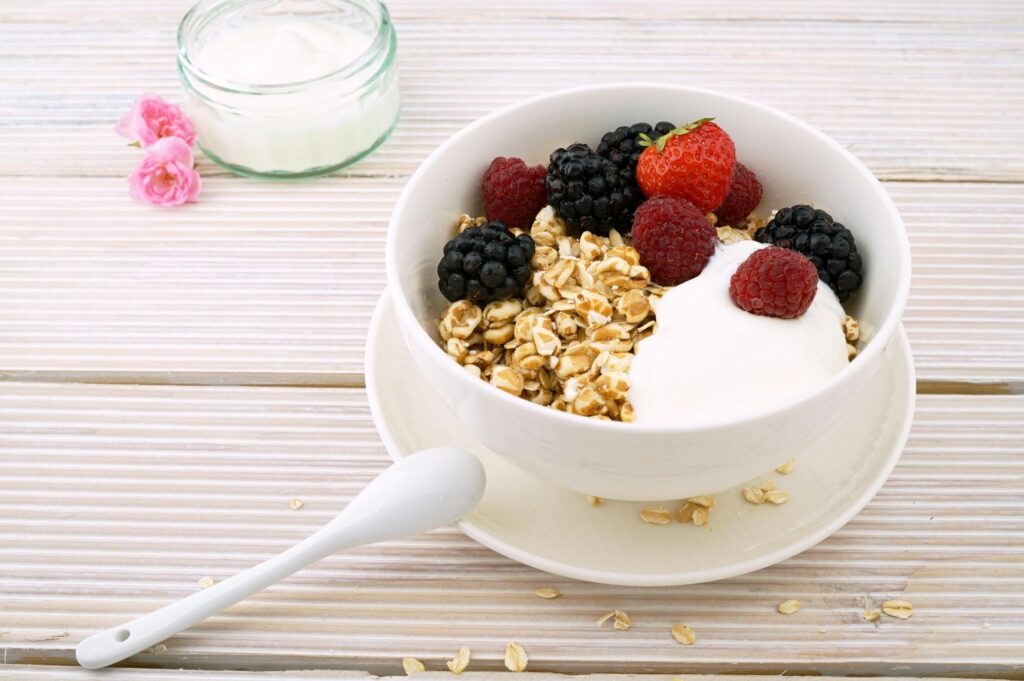
10. Yogurt
Yogurt contains calcium and protein, both of which are considered helpful for relaxation and nighttime nutrition.
Calcium plays a role in the brain’s use of tryptophan to produce melatonin.
Benefits of yogurt for sleep:
- Supports melatonin production
- Provides protein for overnight muscle repair
- Easy to digest
Tip:
Plain yogurt with a small amount of fruit can be a healthy evening snack.
Helpful Table: Sleep-Supporting Nutrients in Common Foods
| Food | Key Nutrients | How It May Support Sleep |
| Almonds | Magnesium | Helps relax muscles |
| Bananas | Potassium, Magnesium | Supports muscle relaxation |
| Warm Milk | Calcium, Tryptophan | Supports melatonin production |
| Oats | Melatonin, Carbohydrates | Encourages relaxation |
| Kiwi | Antioxidants, Serotonin | May improve sleep quality |
| Walnuts | Melatonin, Omega-3 | Supports sleep cycle |
| Fatty Fish | Vitamin D, Omega-3 | Supports serotonin |
| Rice | Carbohydrates | Helps tryptophan reach the brain |
| Chamomile Tea | Apigenin | Promotes relaxation |
| Yogurt | Calcium, Protein | Supports melatonin production |
Practical Tips for Using Foods That Help You Sleep
Adding foods that help you sleep better into your routine works best when combined with healthy habits.
Here are some simple tips:
1. Eat dinner 2–3 hours before bedtime
Heavy meals too close to bedtime may disrupt sleep.
2. Choose light evening snacks
Examples include:
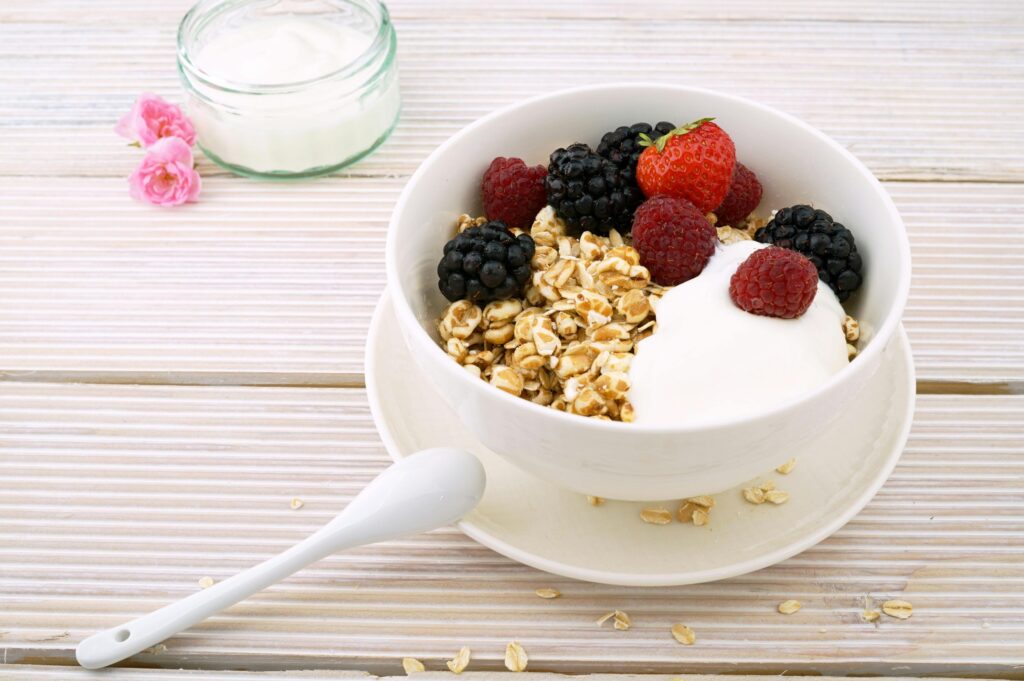
- Banana with yogurt
- Oatmeal with almonds
- Kiwi with walnuts
3. Avoid caffeine late in the day
Coffee, energy drinks, and strong tea may affect sleep.
4. Limit sugary late-night snacks
High sugar foods may cause energy spikes.
5. Stay consistent with your sleep schedule
Regular sleep times help regulate the body’s internal clock.
Foods That May Disrupt Sleep
While focusing on the best foods for sleep, it is also helpful to reduce foods that may interfere with rest.
These may include:
- Caffeinated drinks at night
- Heavy fried foods
- Excessively spicy meals late in the evening
- Sugary desserts before bed
Balancing your diet throughout the day can support overall sleep quality.
Frequently Asked Questions (FAQs)
1. What foods help you sleep the fastest?
Foods rich in magnesium, tryptophan, or melatonin—such as bananas, almonds, kiwi, and warm milk—are commonly considered foods that help you sleep because they may support relaxation and sleep hormone productio
2. What foods make you sleepy naturally?
Some foods that make you sleepy include oats, walnuts, yogurt, bananas, and chamomile tea. These foods contain nutrients that may support calmness and sleep regulation.
3. Is it good to eat before going to bed?
A light snack before bed may help some people sleep better, especially if it contains sleep-promoting foods like yogurt, oats, or fruit. However, heavy meals close to bedtime are generally not recommended.
4. Which fruit is best for sleep?
Kiwi and bananas are often considered natural foods that help you sleep because they contain serotonin, magnesium, and antioxidants that may support sleep quality.
5. Can milk really help you sleep?
Milk contains tryptophan and calcium, which may support melatonin production. Drinking warm milk is also part of a calming bedtime routine for many people.
6. What is the best nighttime snack for better sleep?
Healthy options include:
- Banana with almonds
- Yogurt with fruit
- Oatmeal with walnuts
- Kiwi slices
These snacks combine nutrients found in foods for better sleep.
According to sleep experts, certain nutrients like magnesium and tryptophan can help support healthy sleep patterns.
Conclusion
Getting quality sleep is important for both physical and mental well-being. While many factors influence sleep, your diet can play a meaningful role.
Including foods that help you sleep—such as almonds, bananas, oats, kiwi, walnuts, yogurt, and chamomile tea—may support relaxation and healthy sleep patterns. These natural foods that help you sleep provide nutrients that work with the body’s natural sleep processes.
For best results, combine these sleep-promoting foods with good sleep habits like maintaining a consistent bedtime, limiting caffeine, and creating a relaxing nighttime routine.
Over time, small dietary changes may contribute to better rest and improved overall health.
Disclaimer
This article is for informational and educational purposes only. The information is based on general nutrition and lifestyle knowledge. It is not intended to diagnose, treat, cure, or prevent any medical condition. Individual sleep needs and health conditions may vary. If you experience persistent sleep problems or health concerns, consider consulting a qualified healthcare professional.
By Life Balance Tips Team