
Introduction
Foods that cause gas and bloating are more common than you think, and they can seriously affect your daily comfort and digestion. That heavy, tight, or swollen feeling in your stomach can make even simple tasks uncomfortable. While occasional bloating is normal, frequent bloating is often a sign that certain foods are not working well with your digestive system.
Many people unknowingly eat foods that cause gas and bloating every day, thinking they are healthy. However, these foods can slow digestion, increase gas production, and lead to discomfort. Understanding which foods trigger these symptoms is the first step toward improving your gut health.
In this guide, we will explore the most common foods that cause gas and bloating, why they affect your body, and simple ways to avoid them for better digestion and a lighter, healthier feeling.
💊 Struggling with bloating daily?
🔥 Get Instant Relief – Try This Top-Rated Probiotic
✔ Helps improve digestion
✔ Reduces gas & bloating
✔ Supports gut health
(This is an affiliate link. We may earn a small commission at no extra cost to you.)
What Causes Bloating?
Before jumping into the bloating-causing foods list, it’s important to understand why bloating happens:
- Excess gas production in the gut
- Slow digestion or poor gut movement
- Food intolerances (like lactose or gluten sensitivity)
- Overeating or eating too quickly
- High sodium intake causes water retention
Certain foods can worsen these issues, especially when eaten frequently or in large amounts.
7 Foods That Cause Bloating
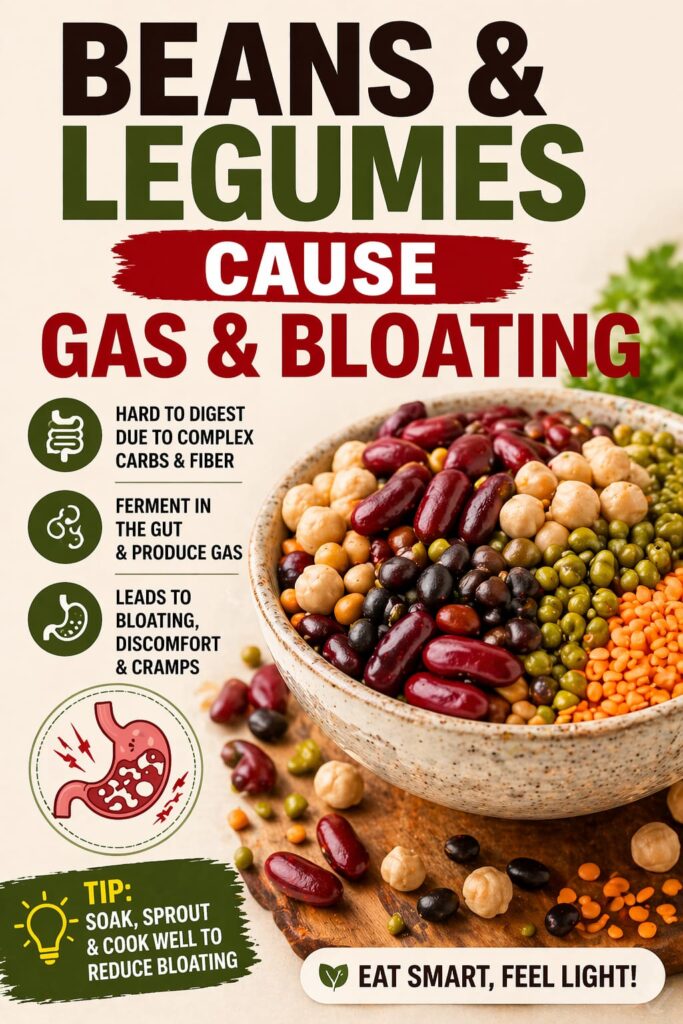
1. Beans and Lentils
Beans and lentils are rich in protein and fiber, but they are also well-known foods that cause bloating.
Why do they cause bloating:
- Contain complex sugars (oligosaccharides)
- Difficult for the body to fully digest
- Fermented by gut bacteria, producing gas
Tip:
Soaking beans before cooking and eating smaller portions may help reduce discomfort.
2. Carbonated Drinks
Soft drinks, soda, and even sparkling water are major contributors to bloating.
Why they cause bloating:
- Contain carbon dioxide gas
- Gas gets trapped in your digestive system
Better alternative:
Switch to plain water, coconut water, or herbal teas for better digestion.
3. Dairy Products
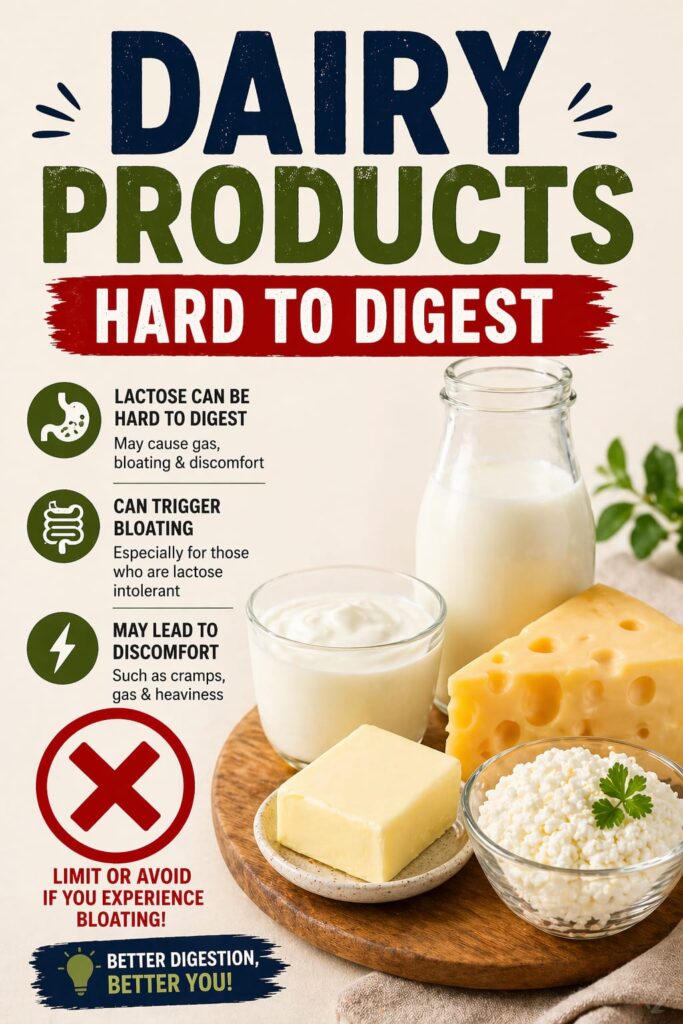
Milk, cheese, and ice cream can be problematic, especially for people with lactose intolerance.
Why they cause bloating:
- Lactose is not easily digested in some people
- Leads to gas, cramps, and bloating
Tip:
Try lactose-free options or plant-based alternatives like almond or soy milk.
4. Cruciferous Vegetables
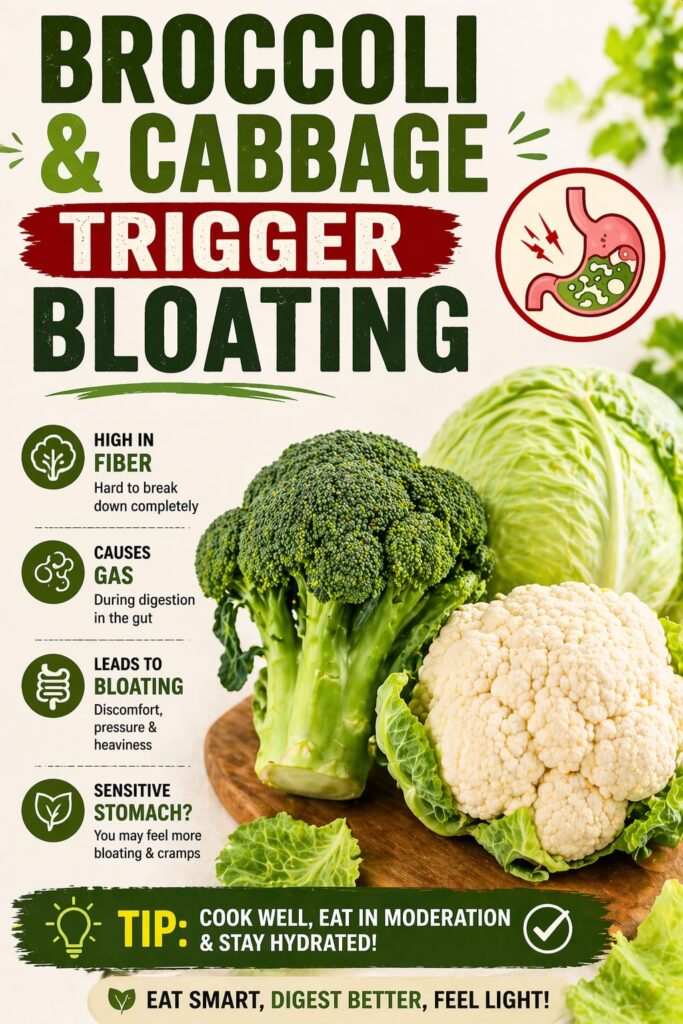
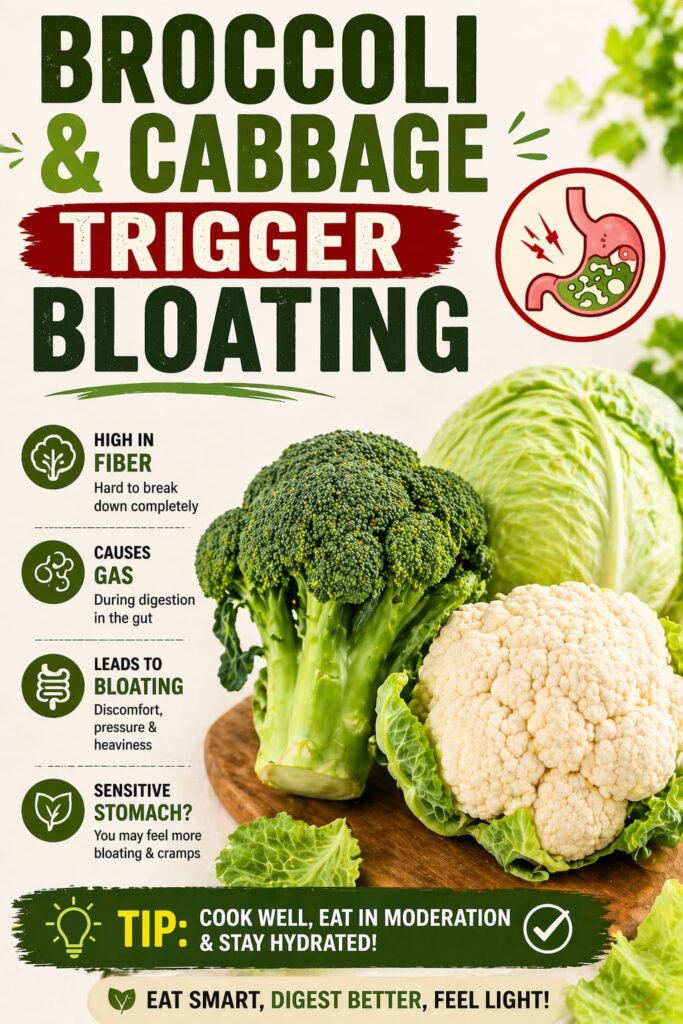
Vegetables like broccoli, cabbage, cauliflower, and Brussels sprouts are nutritious—but also common foods that cause gas and bloating.
Why do they cause bloating:
- High in fiber and sulfur compounds
- Can produce gas during digestion
Tip:
Cook these vegetables instead of eating them raw to make them easier to digest.
5. Fried and Fatty Foods
Deep-fried snacks and oily foods are among the worst foods for digestion.
Why do they cause bloating?
- Slow down stomach emptying
- Harder for the body to break down
Examples:
- Fried chips
- Pakoras
- Fast food items
Better option:
Choose grilled, steamed, or lightly cooked meals.
6. Artificial Sweeteners
Sugar substitutes like sorbitol and aspartame are often found in “diet” foods.
Why do they cause bloating?
- Not fully absorbed in the gut
- Fermented by bacteria, producing gas
Tip:
Limit processed “sugar-free” products and opt for natural sweeteners in moderation.
7. Wheat and Refined Carbs
Wheat-based foods like bread, pasta, and biscuits can trigger bloating in some individuals.
Why do they cause bloating?
- May contain gluten (problematic for sensitive individuals)
- Refined carbs can disrupt digestion
Tip:
Try whole grains or gluten-free alternatives if you notice discomfort.
These foods that cause gas and bloating can lead to discomfort, heaviness, and stomach pain.
💊 Struggling with bloating daily?
👉 🔥 Get Fast Relief – Try This #1 Probiotic
(This is an affiliate link. We may earn a small commission at no extra cost to you.)
✔ Helps improve digestion
✔ Reduces gas and bloating naturally
✔ Supports overall gut health
Quick Overview Table
| Food Type | Why It Causes Bloating | Better Alternative |
| Beans & Lentils | Hard-to-digest sugars | Soaked or smaller portions |
| Carbonated Drinks | Gas buildup | Water, herbal tea |
| Dairy Products | Lactose intolerance | Plant-based milk |
| Cruciferous Veggies | High fiber & sulfur | Cooked vegetables |
| Fried Foods | Slow digestion | Grilled or steamed food |
| Artificial Sweeteners | Fermentation in gut | Natural sweeteners |
| Wheat Products | Gluten sensitivity | Whole or gluten-free grains |
Also read: How to Improve Digestion Naturally at Home

What Foods Cause Bloating Quickly?
Some foods can trigger bloating almost immediately after eating. These include:
- Fizzy drinks
- Chewing gum
- Salty snacks
- Fast food
- Overly processed meals
If you often feel discomfort shortly after meals, these could be the main culprits.
Practical Tips to Reduce Bloating
Avoiding foods that cause bloating is just one part of the solution. Here are some simple habits that may help:
- Eat slowly and chew properly
- Avoid overeating
- Stay hydrated throughout the day
- Limit high-sodium foods
- Include light physical activity like walking
- Maintain a regular eating schedule
These small changes can support better digestion and reduce bloating naturally.
Avoid These Foods for a Flat Stomach
If your goal is a flatter stomach and better gut comfort, try reducing:
- Sugary drinks
- Processed snacks
- Excess salt
- Heavy meals late at night
Instead, focus on:
- Fresh fruits
- Cooked vegetables
- Whole grains
- Light, balanced meals
Consistency matters more than perfection.
FAQ Section
1. What are the main foods that cause bloating?
Common foods that cause bloating include beans, dairy, carbonated drinks, fried foods, and certain vegetables like cabbage and broccoli.
2. Why do healthy foods sometimes cause bloating?
Healthy foods like beans and vegetables are high in fiber, which can produce gas during digestion, especially if eaten in large amounts.
3. What foods cause bloating quickly after eating?
Carbonated drinks, salty snacks, and processed foods are known to cause bloating quickly.
4. Are all dairy products bad for bloating?
Not necessarily. Some people tolerate yogurt or lactose-free milk better than regular dairy.
5. How can I reduce bloating naturally?
Eating slowly, staying hydrated, and avoiding trigger foods may help reduce bloating naturally.
6. Is bloating always related to food?
No, bloating can also be linked to stress, hormonal changes, or digestive conditions.
According to the World Health Organization (WHO), digestive issues are becoming more common due to modern dietary habits.
Best Ways to Avoid Foods That Cause Bloating
Avoiding foods that cause bloating is easier when you follow simple habits. Eat slowly, stay hydrated, and include fiber-rich foods in your diet. Limiting processed foods and identifying foods that cause gas and bloating can significantly improve your digestion and overall comfort.
Disclaimer
This article is for informational purposes only and is based on general health and nutrition knowledge. It is not intended to replace professional medical advice, diagnosis, or treatment. If you experience persistent or severe bloating, consult a qualified healthcare professional.
Conclusion
Bloating can be uncomfortable, but understanding foods that cause gas and bloating is
the first step toward better digestive health. Many everyday foods can silently trigger gas, slow digestion, and cause that heavy, uncomfortable feeling.
By identifying and avoiding foods that cause gas and bloating, you can reduce discomfort, improve gut health, and feel lighter throughout the day. Small dietary changes, like choosing easier-to-digest foods and eating mindfully, can make a big difference over time.
Remember, everybody reacts differently. Pay attention to how your body responds to different foods and build habits that support your digestion. With the right choices, you can naturally prevent bloating and enjoy a healthier, more comfortable life.
If you often experience discomfort after meals, it’s important to identify foods that cause bloating early. Avoiding foods that cause gas and bloating and choosing gut-friendly options can help you stay active, comfortable, and healthy every day.
🏆 Recommended for Quick Bloating Relief
If you want faster results, using a high-quality probiotic supplement can make a big difference.
👉 Check Latest Price on Amazon:
👉 Thousands of users report better digestion and less bloating within days.
Disclaimer: This post contains affiliate links. I may earn a small commission at no extra cost to you.
By Life Balance Tips Team