
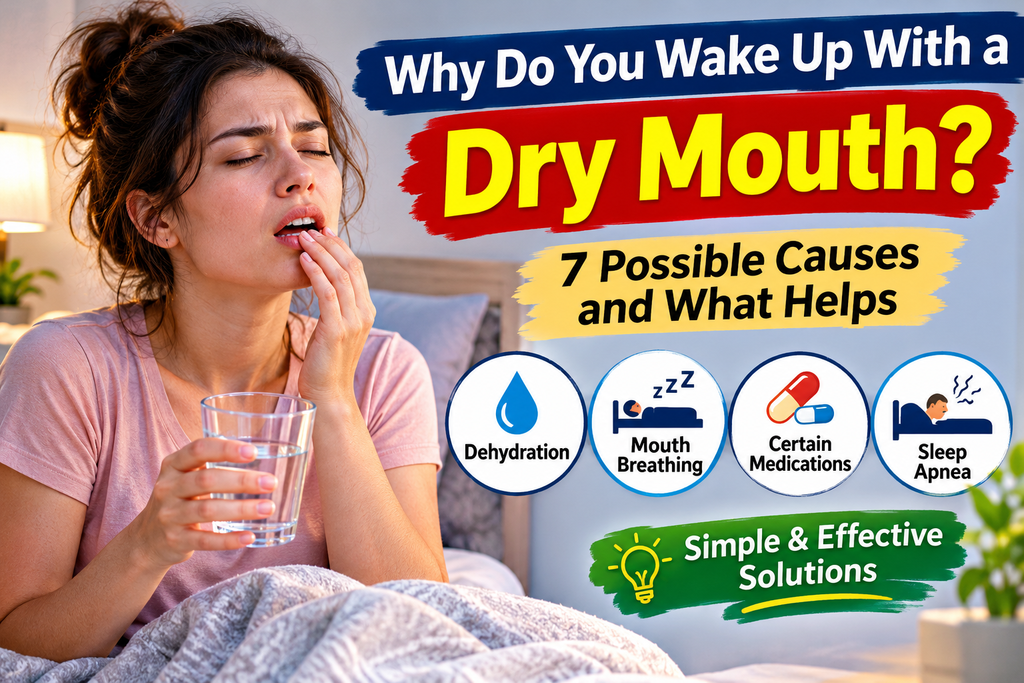
Waking up with a dry, sticky mouth can make the start of your day uncomfortable. You may notice that your tongue feels rough, your lips are dry, or you need a glass of water before you can speak comfortably.
Occasionally, this feeling may happen because you did not drink enough fluids during the day or slept with your mouth open. However, if it happens regularly, it may be worth looking more closely at your sleeping habits, medications, and overall health.
Dry mouth when waking up can have several possible causes, including dehydration, nasal congestion, medication side effects, and certain health conditions.
The good news is that practical changes may help relieve the discomfort. Understanding the possible cause is the first step toward finding the right solution.
In this guide, we explain seven common reasons you may wake up with a dry mouth, simple ways to manage the symptoms, and when to speak with a healthcare professional.
What Causes Dry Mouth When Waking Up?
Dry mouth, medically known as xerostomia, is the feeling that your mouth does not have enough moisture. It can happen when your salivary glands produce less saliva or when other factors make your mouth feel unusually dry.
Saliva is important for more than just keeping your mouth comfortable. It helps you chew, swallow, speak, wash away food particles, and protect your teeth.
Saliva production naturally decreases during sleep. If you also breathe through your mouth or take medication that reduces saliva, the dryness may become more noticeable when you wake up.
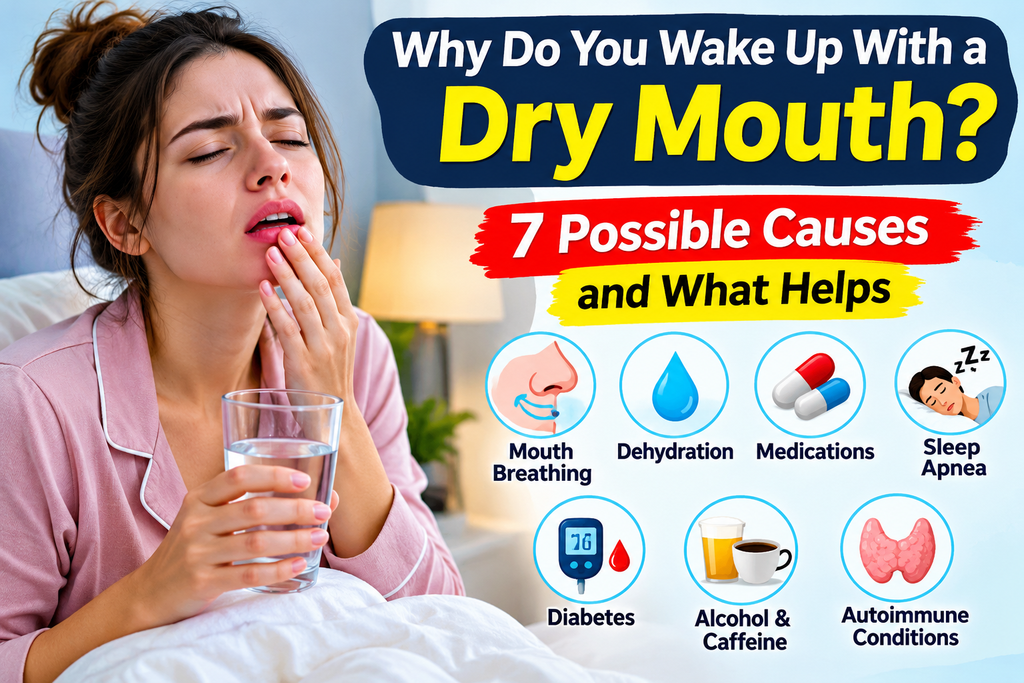
7 Possible Causes of Dry Mouth When Waking Up
1. Dehydration
Not drinking enough fluids can contribute to dry mouth. Your body needs water for many functions, including maintaining normal saliva production.
You may be more likely to feel dehydrated after sweating heavily, exercising, spending time in hot weather, or being unwell with vomiting or diarrhea.
Possible signs include:
- Feeling thirsty when you wake up.
- Having a dry or sticky mouth.
- Passing darker-colored urine than usual.
- Feeling tired or lightheaded.
What may help:
Drink water regularly throughout the day rather than waiting until you feel very thirsty. Keep a glass of water near your bed so you can take small sips if needed during the night.
Do not assume that every dry mouth is caused by dehydration. Persistent symptoms may have another explanation.
2. Sleeping With Your Mouth Open
Mouth breathing is a common reason people wake up with a dry mouth.
When you breathe through your mouth instead of your nose, air passes over the tissues inside your mouth and can increase dryness.
This may happen because of:
- A blocked nose.
- Seasonal allergies.
- Nasal congestion from a cold.
- Enlarged nasal structures.
- Habitual mouth breathing during sleep.
What may help:
If nasal congestion is affecting your breathing, ask a pharmacist or healthcare professional about suitable ways to manage it.
Avoid forcing your mouth to stay closed or using mouth tape without medical advice, particularly if you have breathing problems during sleep.
3. Certain Medications
Some prescription and over-the-counter medicines can reduce saliva production.
Medication-related dry mouth is a common issue, especially for people who take several medicines.
Examples of medication groups that may contribute include:
- Antihistamines used for allergies.
- Some antidepressants.
- Certain blood pressure medicines.
- Decongestants.
- Some medicines for bladder problems.
- Certain pain medications.
The effect varies from person to person and depends on the specific medicine.
What may help:
Check the patient information leaflet for possible dry-mouth side effects. If you suspect that a medicine is responsible, speak with your doctor or pharmacist.
Never stop or change a prescribed medication on your own.
4. Alcohol, Caffeine, and Tobacco Use
Certain lifestyle habits can make mouth dryness more noticeable.
Alcohol may contribute to dehydration, while tobacco can irritate the tissues inside the mouth. Large amounts of caffeine may also worsen dryness for some people.
For example, drinking several cups of coffee late in the day or consuming alcohol in the evening may affect how comfortable your mouth feels overnight.
What may help:
- Limit alcohol, especially close to bedtime.
- Reduce excessive caffeine intake.
- Avoid smoking and tobacco products.
- Drink water regularly during the day.
- Maintain a consistent oral hygiene routine.
These changes may help, although they will not address every possible medical cause.
5. Sleep Apnea and Other Sleep-Related Breathing Problems
Obstructive sleep apnea is a condition in which the upper airway repeatedly becomes narrowed or blocked during sleep, disrupting normal breathing.
People with sleep apnea may snore loudly, wake up gasping, or experience pauses in breathing noticed by a sleeping partner.
Waking with a dry mouth or sore throat can also occur.
Other possible warning signs include:
- Loud, frequent snoring.
- Waking up choking or gasping.
- Morning headaches.
- Excessive daytime sleepiness.
- Difficulty concentrating during the day.
What may help:
If you regularly wake up with a dry mouth and have these symptoms, speak with a healthcare professional about whether a sleep assessment is appropriate.
Dry mouth alone does not mean you have sleep apnea. A proper medical evaluation is needed.
6. Diabetes and High Blood Sugar
Diabetes can sometimes contribute to dry mouth.
When blood glucose levels remain high, the body may remove more glucose through urine. This can increase fluid loss and contribute to dehydration.
Other possible symptoms of diabetes include:
- Increased thirst.
- Frequent urination.
- Unusual tiredness.
- Blurred vision.
- Unexplained weight loss.
Not everyone with diabetes experiences the same symptoms, and dry mouth alone cannot diagnose the condition.
What may help:
If you have persistent dry mouth along with increased thirst or frequent urination, speak with a healthcare professional. They may recommend blood glucose testing based on your symptoms and health history.
If you already have diabetes, follow your prescribed care plan and discuss new or worsening symptoms with your healthcare team.
7. Sjögren’s Disease and Other Medical Conditions
Sjögren’s disease is an autoimmune condition in which the immune system attacks moisture-producing glands, including the salivary and tear glands.
It can cause persistent dryness in the mouth and eyes.
Other possible symptoms include:
- A gritty or dry feeling in the eyes.
- Difficulty swallowing dry foods.
- A burning sensation in the mouth.
- Persistent fatigue.
- Joint discomfort in some people.
Other conditions and medical treatments can also affect saliva production. For example, radiation therapy involving the head and neck may damage salivary glands.
What may help:
If you have ongoing dry mouth along with dry eyes or difficulty swallowing, arrange an appointment with a healthcare professional.
They can review your symptoms, medical history, and medications to decide whether further testing is needed.
Simple Ways to Relieve Dry Mouth at Night and in the Morning
The best approach depends on the cause, but these practical steps may help reduce discomfort.
1. Drink Water Regularly
Take regular sips of water throughout the day. Keep water beside your bed if you wake up feeling thirsty.
If a healthcare professional has advised you to restrict fluids, follow that advice instead of increasing your intake.
2. Try Sugar-Free Gum
Chewing sugar-free gum can stimulate saliva production in people who can chew safely.
Choose products without added sugar to help protect your teeth.
3. Use an Alcohol-Free Mouthwash
Some mouthwashes contain alcohol, which may irritate or worsen dryness for certain people.
An alcohol-free mouthwash designed for dry mouth may be more comfortable.
4. Maintain Good Oral Hygiene
Dry mouth can increase the risk of tooth decay and oral infections because saliva helps protect your teeth and mouth.
To support oral health:
- Brush twice daily with fluoride toothpaste.
- Clean between your teeth every day.
- Visit your dentist regularly.
- Ask your dentist about additional fluoride protection if you have persistent dry mouth.
5. Consider Dry-Mouth Products
A pharmacist or dentist may recommend saliva substitutes, moisturizing gels, sprays, or lozenges.
These products can help relieve symptoms, but they do not necessarily treat the underlying cause.
Choose a product suitable for your needs and follow its instructions.
6. Manage Nasal Congestion
If a blocked nose makes you breathe through your mouth at night, managing the congestion may help.
Ask a healthcare professional or pharmacist about appropriate options, especially if you have allergies or ongoing nasal symptoms.
7. Reduce Evening Alcohol and Excessive Caffeine
Consider limiting alcohol and reducing excessive caffeine intake, particularly later in the day.
Notice whether these habits make your symptoms worse and adjust accordingly.
Foods and Drinks That May Be Easier on a Dry Mouth
When your mouth feels dry, some foods may be tastier than others.
| Food or drink | Why it may help |
| Plain water | Helps moisten the mouth |
| Cucumber | Contains a high amount of water |
| Watermelon | Provides fluid and is easy to eat for many people |
| Unsweetened yogurt | Has a soft, moist texture |
| Soups with low added salt | Provide fluid and are easier to swallow |
| Sugar-free drinks | Can provide moisture without added sugar |
Choose foods that feel comfortable for you. Very salty, spicy, acidic, or dry foods may irritate an already dry mouth.
When Should You See a Doctor or Dentist?
Occasional dry mouth is common. However, persistent dryness should not be ignored, especially when it affects eating, speaking, swallowing, or sleeping.
Consider arranging a medical or dental appointment if:
- Your mouth stays dry for several weeks.
- You have difficulty chewing or swallowing.
- Your mouth becomes painful, red, swollen, or bleeds.
- You notice white patches or repeated mouth infections.
- You also experience persistent dry eyes.
- You have increased thirst or frequent urination.
- You suspect a medication is causing the problem.
A dentist or doctor can review possible causes and recommend suitable treatment.
Why Is Saliva Important for Your Oral Health?
Saliva protects your mouth in several important ways.
It helps:
- Keep the mouth moist.
- Make chewing and swallowing easier.
- Wash away food particles.
- Support normal taste.
- Protect teeth against decay.
- Maintain a healthier balance inside the mouth.
When saliva production is reduced for a long time, the risk of cavities, gum problems, and oral infections can increase.
That is why persistent dry mouth deserves attention even if the discomfort seems mild.
Frequently Asked Questions
1. Why do I wake up with a dry mouth every morning?
Possible reasons include mouth breathing, dehydration, medication side effects, and reduced saliva production during sleep. If it happens regularly, consider discussing it with a healthcare professional.
2. Can sleeping with your mouth open cause dry mouth?
Yes. Breathing through your mouth during sleep allows air to pass over oral tissues and can increase dryness. Nasal congestion and other breathing problems may contribute.
3. Is dry mouth a sign of diabetes?
Dry mouth can occur in people with diabetes, particularly when high blood glucose contributes to fluid loss. However, dry mouth has many other possible causes and cannot diagnose diabetes.
4. Can medications cause dry mouth at night?
Yes. Some prescription and over-the-counter medicines can reduce saliva production. A pharmacist or doctor can review your medication list and discuss suitable options.
5. Does sleep apnea cause dry mouth?
Waking with a dry mouth can occur in people with obstructive sleep apnea. Other warning signs include loud snoring, gasping during sleep, and daytime sleepiness. A healthcare professional can assess whether testing is needed.
6. What is the fastest way to relieve a dry mouth?
Taking small sips of water may provide temporary relief. Sugar-free gum or a dry-mouth moisturizing product may also help. The best long-term solution depends on the underlying cause.
7. Can dry mouth damage your teeth?
Persistent dry mouth can increase the risk of tooth decay and oral infections because saliva helps protect teeth and oral tissues. Brush regularly with fluoride toothpaste, and keep up with dental checkups.
you are experiencing dry mouth along with frequent thirst or increased urination, read our guide on [Early Signs of Diabetes You Should Never Ignore] to learn about important warning signs and symptoms.
Final Thoughts
Waking up with a dry mouth can happen for several reasons, from sleeping with your mouth open to dehydration or medication side effects.
Sometimes, simple changes such as drinking water regularly, managing nasal congestion, and improving oral hygiene may help. However, recurring dryness can also be linked to conditions such as diabetes or Sjögren’s disease.
Pay attention to how often the problem occurs and whether you experience other symptoms. If dry mouth continues for several weeks or makes eating, speaking, or swallowing difficult, seek advice from a healthcare professional or dentist.
Finding the underlying cause is the best way to choose the right treatment and protect your long-term oral health.
Medical Disclaimer
This article is for educational and informational purposes only. It is not a substitute for professional medical or dental advice, diagnosis, or treatment. Consult a qualified healthcare professional about persistent or unexplained dry mouth. Never stop prescribed medication without medical advice.
References
- NHS – Dry Mouth: https://www.nhs.uk/symptoms/dry-mouth/
- American Dental Association – Xerostomia (Dry Mouth): https://www.ada.org/resources/ada-library/oral-health-topics/xerostomia
- National Institute of Dental and Craniofacial Research – Dry Mouth: https://www.nidcr.nih.gov/health-info/dry-mouth
- Mayo Clinic – Obstructive Sleep Apnea: https://www.mayoclinic.org/diseases-conditions/obstructive-sleep-apnea/symptoms-causes/syc-20352090
- NHS Inform – Dry Mouth: https://www.nhsinform.scot/illnesses-and-conditions/mouth/dry-mouth