
Introduction
Vitamin B12 is an essential nutrient that plays a vital role in maintaining healthy nerves, supporting red blood cell production, and helping the body convert food into energy. Unfortunately, many people do not realize they have a deficiency until symptoms begin affecting their daily lives.
Recognizing Vitamin B12 Deficiency Signs early can help you make healthier dietary and lifestyle choices before the condition becomes more serious. Since the symptoms often develop gradually, they can easily be mistaken for stress, aging, or lack of sleep.
In this article, we will discuss the most common Vitamin B12 Deficiency Signs, their possible causes, and practical ways to support healthy vitamin B12 levels naturally.
You may also like: Best Foods to Improve Gut Health Naturally.
What Is Vitamin B12?
Vitamin B12, also known as cobalamin, is a water-soluble vitamin that supports several important body functions, including:
- Formation of red blood cells
- Proper nerve function
- DNA production
- Brain health and cognitive function
- Energy metabolism
Since the body cannot produce vitamin B12 on its own, it must come from food sources.
Why Is Vitamin B12 Important?
A healthy level of vitamin B12 helps the body function efficiently. When levels become too low, various physical and mental symptoms may begin to appear.
Many people ignore early Vitamin B12 Deficiency Signs because they often seem mild at first. However, identifying them early may help prevent complications and support overall well-being.
Read Next: Signs Your Body Needs More Water and How to Stay Hydrated.
Common Causes of Vitamin B12 Deficiency
Understanding the Causes of vitamin B12 deficiency can help reduce the risk.
Some common causes include:
- Low intake of animal-based foods
- Vegetarian or vegan diets without proper planning
- Poor nutrient absorption
- Digestive disorders
- Increasing age
- Certain stomach or intestinal conditions
- Long-term digestive health issues
Not everyone with these risk factors develops a deficiency, but they may increase the likelihood.
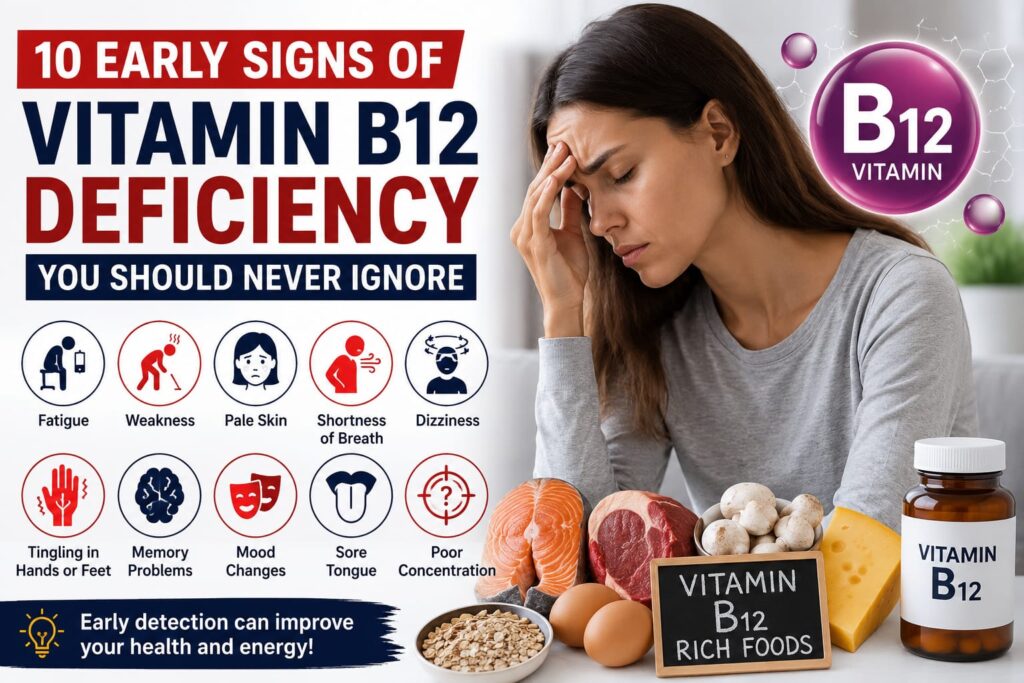
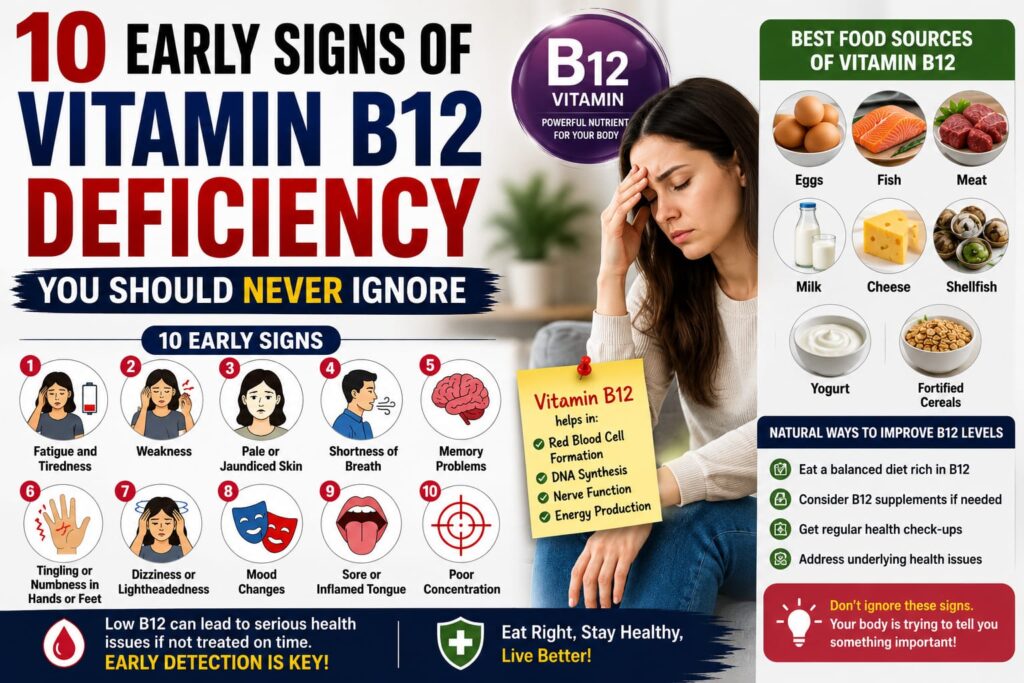
10 Early Vitamin B12 Deficiency Signs You Should Never Ignore
1. Constant Fatigue and Low Energy
One of the most common Early signs of vitamin B12 deficiency is persistent tiredness.
Vitamin B12 helps the body produce healthy red blood cells that carry oxygen throughout the body. When levels are low, oxygen delivery may become less efficient, leading to feelings of fatigue.
You may notice:
- Low stamina
- Lack of motivation
- Feeling exhausted after simple tasks
- Reduced physical performance
Among all Vitamin B12 Deficiency Signs, fatigue is often the earliest symptom.
2. Tingling or Numbness in Hands and Feet
A tingling sensation in the hands, fingers, feet, or legs may be one of the important Vitamin B12 deficiency symptoms.
Vitamin B12 supports healthy nerve function. Low levels may affect nerve communication, leading to sensations such as:
- Pins and needles
- Numbness
- Burning feelings
- Reduced sensitivity
Ignoring this symptom for a long time may lead to more noticeable nerve-related issues.
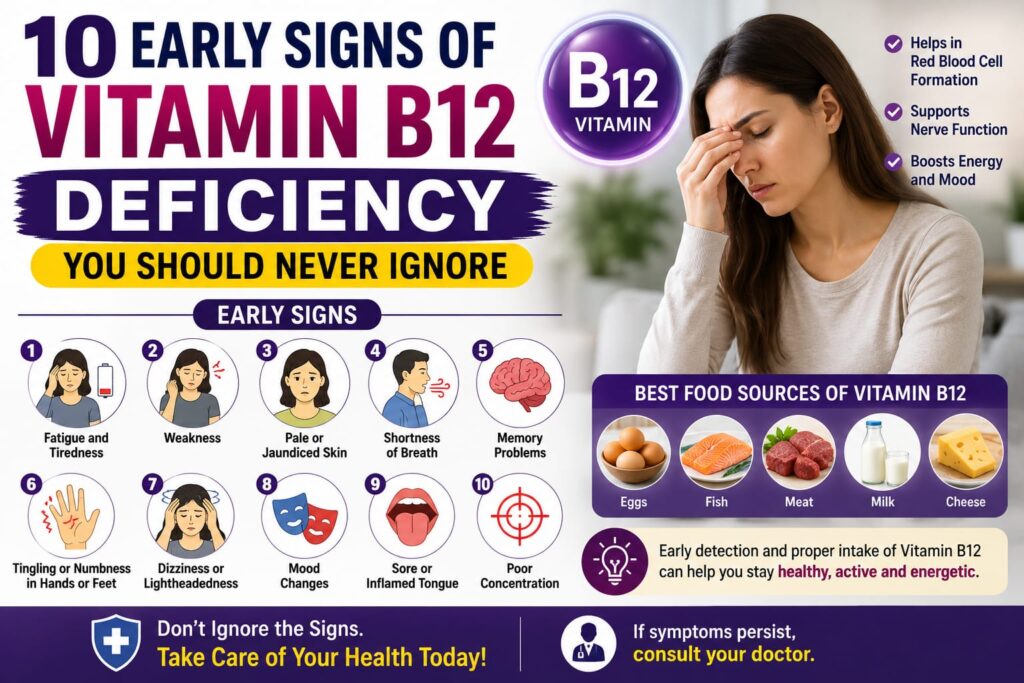
3. Difficulty Concentrating
Many people experiencing Low vitamin B12 symptoms report trouble focusing.
You may notice:
- Difficulty completing tasks
- Reduced attention span
- Mental fog
- Forgetfulness
Since vitamin B12 contributes to brain function, inadequate levels may affect concentration and mental clarity.
4. Frequent Dizziness
Feeling dizzy when standing up or moving quickly can sometimes be associated with Vitamin B12 Deficiency Signs.
Possible symptoms include:
- Lightheadedness
- Balance issues
- Feeling faint
- Occasional weakness
While dizziness can have many causes, low vitamin B12 may be one factor worth considering.
5. Pale or Slightly Yellowish Skin
Changes in skin appearance may be another indication of Signs of B12 deficiency in adults.
Some people notice:
- Pale skin
- Dull complexion
- Slight yellow tint to the skin
These changes may occur because vitamin B12 plays a role in healthy red blood cell production.
6. Shortness of Breath During Daily Activities
If climbing stairs or walking short distances suddenly feels more difficult, it could be one of the lesser-known Vitamin B12 Deficiency Signs.
You may experience:
- Breathlessness
- Reduced exercise tolerance
- Rapid heartbeat during activity
- Physical weakness
This symptom often appears alongside fatigue.
7. Mood Changes and Irritability
Mental and emotional well-being may also be affected.
Some Vitamin B12 deficiency symptoms include:
- Irritability
- Mood swings
- Increased stress sensitivity
- Lack of motivation
Although many factors influence mood, maintaining healthy nutrient levels is generally considered important for emotional health.
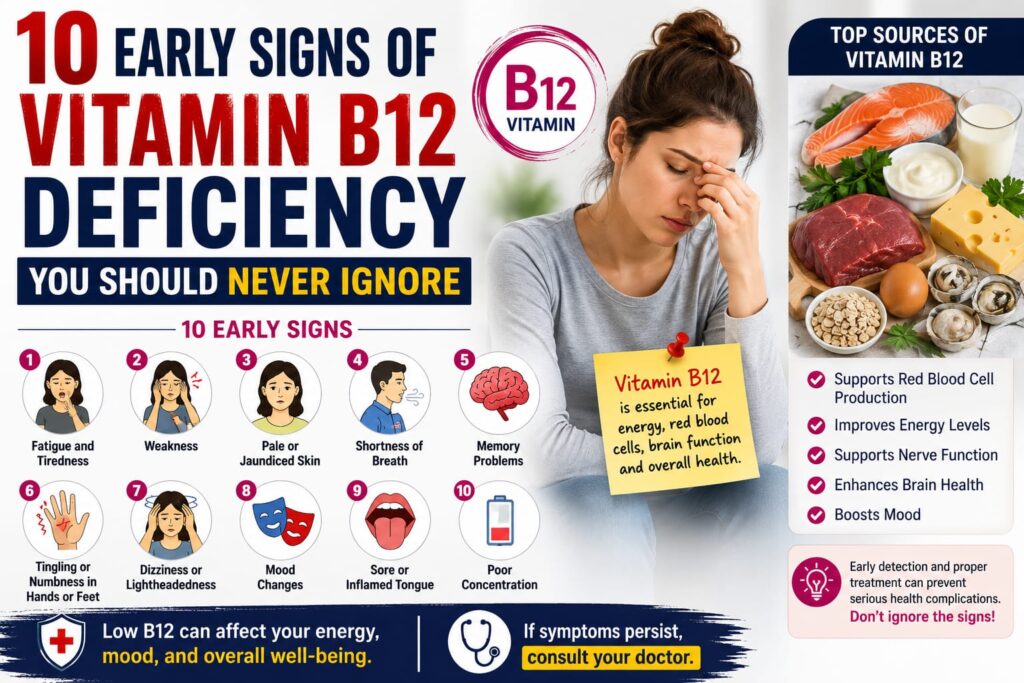
8. Memory Problems
Memory difficulties are among the more noticeable Low vitamin B12 symptoms.
You may find yourself:
- Forgetting appointments
- Misplacing items
- Struggling to recall information
- Experiencing mental confusion
These symptoms can occur gradually, making them easy to overlook.
9. Mouth and Tongue Changes
Certain oral health changes may signal Vitamin B12 Deficiency Signs.
Common examples include:
- Sore tongue
- Red tongue
- Burning sensation in the mouth
- Mouth discomfort
These symptoms may interfere with eating and speaking comfortably.
10. Reduced Balance and Coordination
Advanced or prolonged deficiency may affect movement and coordination.
Possible symptoms include:
- Unsteady walking
- Poor balance
- Increased risk of falls
- Difficulty with coordination
This is one reason why recognizing Early signs of vitamin B12 deficiency is so important.
Risk Factors for Vitamin B12 Deficiency
Some groups may be more likely to experience Signs of B12 deficiency in adults.
These include:
| Risk Factor | Why It Matters |
| Older adults | Absorption efficiency may decrease with age |
| Vegetarians | Limited intake of animal-based B12 sources |
| Vegans | No natural animal-food sources in the diet |
| People with digestive issues | Nutrient absorption may be affected |
| Individuals with restricted diets | Lower variety of B12-rich foods |
| Those with long-term gut problems | May have difficulty absorbing nutrients |
Understanding these risks may help support better nutritional planning.
Foods Rich in Vitamin B12
One of the best ways to support healthy levels is through food.
Natural vitamin B12 sources include:
- Fish
- Eggs
- Milk
- Yogurt
- Cheese
- Chicken
- Lean meat
- Fortified breakfast cereals
- Fortified plant-based foods
Including a variety of nutrient-rich foods can support overall health.
How to Increase Vitamin B12 Naturally
For additional information, visit the NHS guide on Vitamin B12 deficiency.
Many people ask How to increase vitamin B12 naturally without relying solely on supplements.
Here are some practical lifestyle tips:
Eat Balanced Meals
Include:
- Protein-rich foods
- Dairy products
- Eggs
- Fish
- Fortified foods
A balanced diet often provides important nutrients that support health.
Support Digestive Health
Healthy digestion can help the body absorb nutrients more efficiently.
Helpful habits include:
- Eating slowly
- Staying hydrated
- Consuming fiber-rich foods
- Maintaining regular meal times
Avoid Extreme Diet Restrictions
Highly restrictive eating plans may increase the risk of nutrient deficiencies.
Aim for variety and balance whenever possible.
Prioritize Overall Nutrition
Instead of focusing on one nutrient alone, consider a diet rich in:
- Fruits
- Vegetables
- Whole grains
- Healthy fats
- Quality protein sources
This approach supports long-term wellness.
When Should You Seek Medical Advice?
If multiple Vitamin B12 Deficiency Signs are present and continue for several weeks, consulting a healthcare professional is generally recommended.
A healthcare provider can evaluate symptoms and determine whether further assessment is necessary.
Early attention may help prevent worsening symptoms and support better overall health.
Frequently Asked Questions (FAQ)
1. What are the first Vitamin B12 Deficiency Signs?
Common early signs include fatigue, weakness, tingling sensations, brain fog, and difficulty concentrating.
2. Can vitamin B12 deficiency affect mood?
Yes. Some people experience irritability, mood changes, or reduced motivation.
3. Are vegetarians at higher risk of vitamin B12 deficiency?
Vegetarians may have a higher risk because many natural vitamin B12 sources come from animal-based foods.
4. What foods contain vitamin B12 naturally?
Fish, eggs, dairy products, chicken, and meat are among the best natural sources.
5. Can low vitamin B12 cause memory problems?
Memory issues and mental fog are commonly reported among people with low vitamin B12 levels.
6. How can I increase vitamin B12 naturally?
Eating vitamin B12-rich foods and maintaining good digestive health may help support healthy levels.
7. Is fatigue always caused by vitamin B12 deficiency?
No. Fatigue can have many possible causes, so proper evaluation is important.
8. Can young adults develop vitamin B12 deficiency?
Yes. Although it is more common in older adults, younger individuals can also experience deficiency due to dietary or absorption-related factors.
Disclaimer
This article is intended for educational and informational purposes only and should not be considered medical advice. Symptoms mentioned may have causes other than vitamin B12 deficiency. Always consult a qualified healthcare professional for diagnosis, testing, or personalized health guidance.
Conclusion
Recognizing Vitamin B12 Deficiency Signs early can play an important role in maintaining overall health and well-being. Symptoms such as fatigue, tingling sensations, dizziness, poor concentration, memory problems, and mood changes should not be ignored, especially when several occur together.
Understanding the Causes of vitamin B12 deficiency, identifying potential risk factors, and learning How to increase vitamin B12 naturally through balanced nutrition and healthy lifestyle habits may help support optimal nutrient levels. Paying attention to these warning signs and making informed dietary choices can contribute to better energy, brain function, and long-term wellness.
By Life Balance Tips Team