
Introduction
Inflammation is a natural response that helps the body protect itself from injury, infection, and harmful substances. However, when inflammation becomes chronic, it may contribute to various health issues such as joint discomfort, heart problems, digestive concerns, and reduced overall well-being.
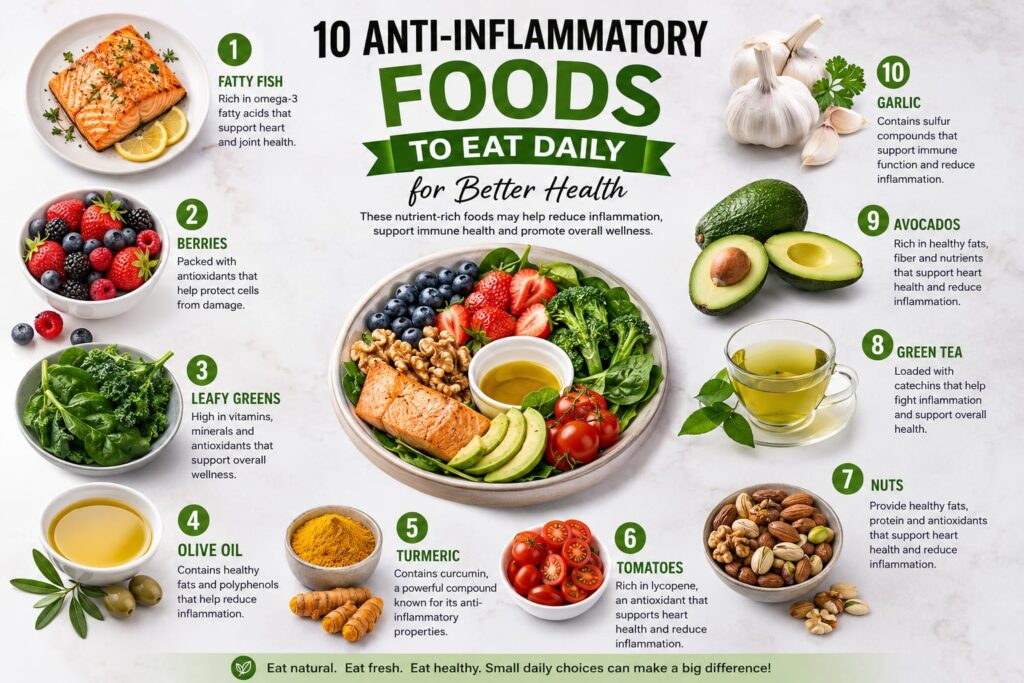
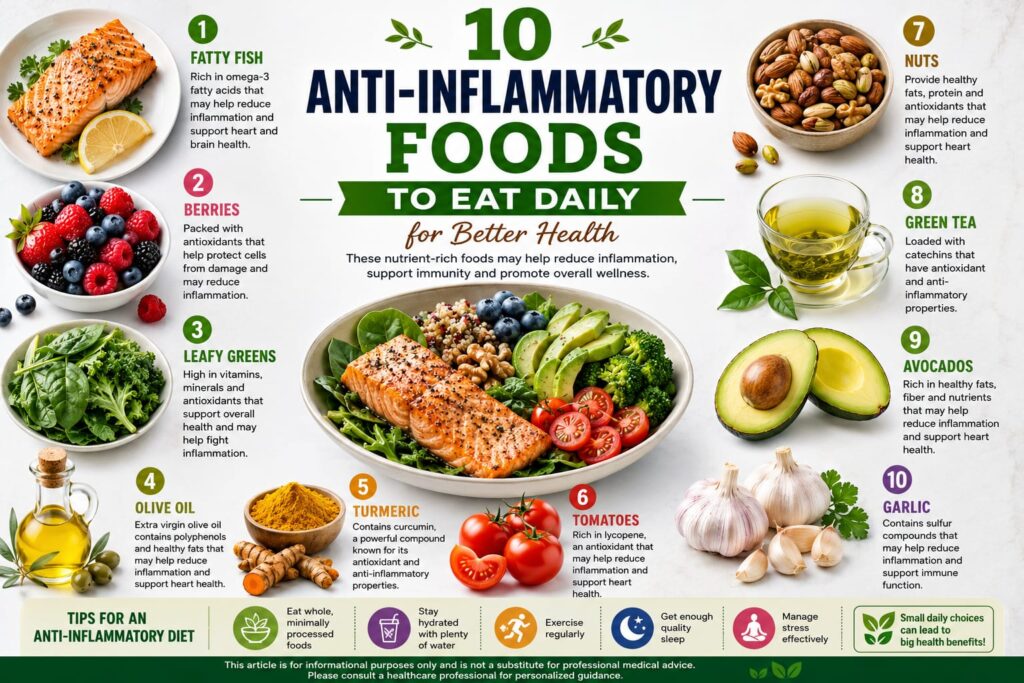
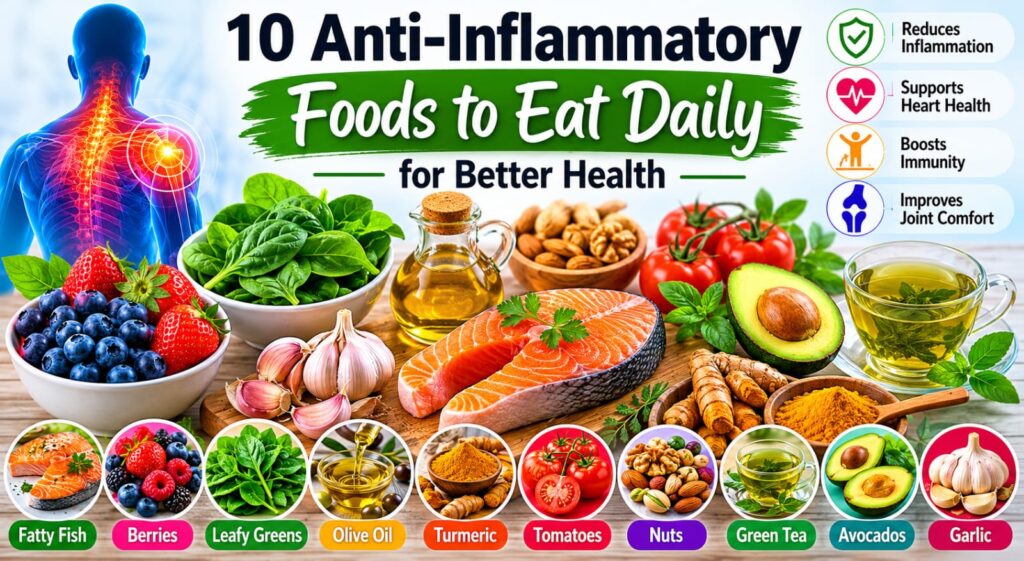
One of the most effective lifestyle approaches to support long-term health is choosing the right foods. Adding Anti-Inflammatory Foods to Eat Daily can help support the body’s natural defense systems and promote better health over time.
Many nutrition experts recommend including a variety of anti-inflammatory foods in your daily meals because they provide antioxidants, vitamins, minerals, and beneficial plant compounds. In this article, we will explore ten powerful foods that may help reduce inflammation naturally and support overall wellness.
What Is Chronic Inflammation?
Unlike short-term inflammation, which helps the body heal, chronic inflammation can last for months or even years. It is often linked to lifestyle factors such as:
- Poor dietary habits
- Lack of physical activity
- Chronic stress
- Smoking
- Inadequate sleep
- Excess body weight
Following an anti inflammatory diet rich in whole foods may help support healthy inflammatory responses and improve overall health.
You may also like: Best Morning Drink for Bloating
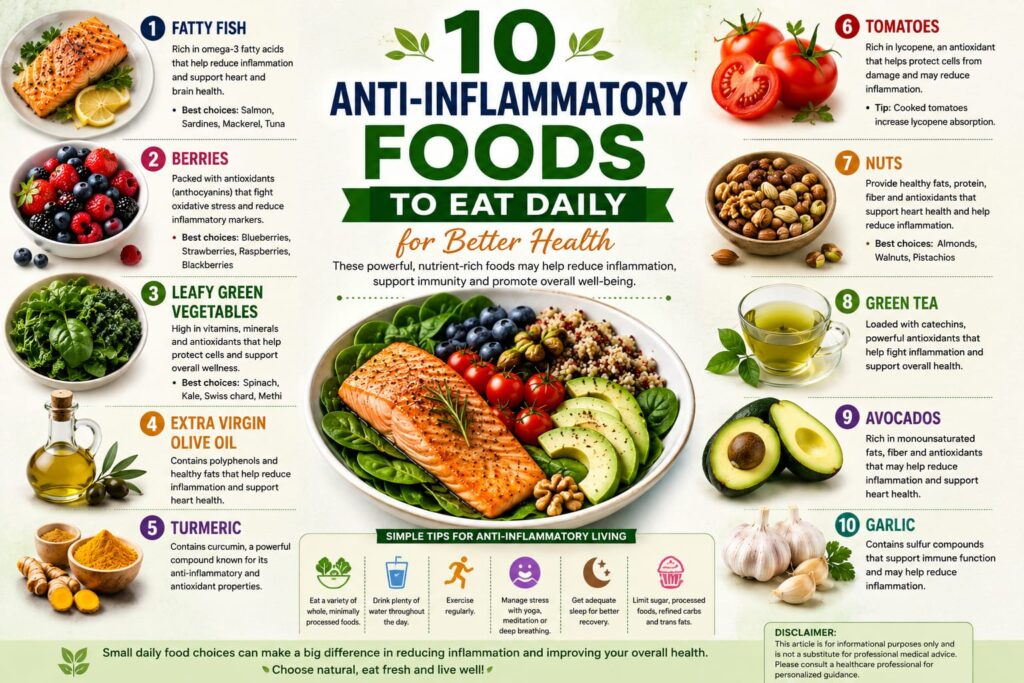
Top 10 Anti-Inflammatory Foods to Eat Daily
1. Fatty Fish
Fatty fish are among the most commonly recommended inflammation fighting foods.
Examples include:
- Salmon
- Sardines
- Mackerel
- Tuna
These fish contain omega-3 fatty acids, which may help support heart health and healthy inflammatory balance.
Benefits:
- Supports cardiovascular health
- May help maintain joint comfort
- Provides high-quality protein
Tip: Aim for two servings of fatty fish per week as part of a balanced diet.
2. Berries
Berries are packed with antioxidants known as anthocyanins, which give them their vibrant colors.
Popular options include:
- Blueberries
- Strawberries
- Blackberries
- Raspberries
These compounds are often associated with healthy aging and reduced oxidative stress.
Benefits:
- Rich in antioxidants
- Supports immune health
- May help protect cells from damage
Berries are among the best natural anti inflammatory foods you can easily add to breakfast or snacks.
3. Leafy Green Vegetables
Leafy greens are nutritional powerhouses and key components of an anti inflammatory diet.
Examples include:
- Spinach
- Kale
- Mustard greens
- Swiss chard
They provide vitamins A, C, E, and K, along with numerous plant compounds.
Benefits:
- Supports overall wellness
- Provides fiber for digestive health
- Rich in protective antioxidants
Including leafy greens daily is one of the simplest ways to increase your intake of healthy foods for inflammation.
4. Extra Virgin Olive Oil
Extra virgin olive oil is a staple of the Mediterranean-style diet and is often recognized for its anti-inflammatory properties.
It contains beneficial compounds such as polyphenols and healthy monounsaturated fats.
Benefits:
- Supports heart health
- May help reduce oxidative stress
- A healthier alternative to many processed fats
Use it in:
- Salad dressings
- Vegetable dishes
- Light cooking
5. Turmeric
Turmeric is a bright yellow spice widely used in Indian cooking.
Its active compound, curcumin, has been extensively studied for its potential health-supporting properties.
Benefits:
- Supports healthy inflammatory responses
- Rich in antioxidants
- Easy to add to meals
Try adding turmeric to:
- Curries
- Soups
- Warm milk
- Vegetable dishes
Turmeric is considered one of the most popular foods that reduce inflammation naturally.
6. Tomatoes
Tomatoes are rich in lycopene, a powerful antioxidant that may support overall health.
Cooked tomatoes often provide even more absorbable lycopene than raw ones.
Benefits:
- Supports heart health
- Rich in vitamins C and A
- Provides antioxidant protection
Enjoy tomatoes in:
- Salads
- Soups
- Curries
- Homemade sauces
7. Nuts
Nuts provide healthy fats, fiber, and protein while delivering numerous vitamins and minerals.
Best choices include:
- Almonds
- Walnuts
- Pistachios
Benefits:
- Supports heart health
- Helps maintain satiety
- Rich in antioxidants
A small handful daily can be a smart addition to an anti-inflammatory eating pattern.
Related Article: Signs Your Body Needs More Water
8. Green Tea
Green tea contains catechins, natural compounds known for their antioxidant properties.
Many health-conscious individuals include green tea among their favorite Anti-Inflammatory Foods to Eat Daily because it is simple and convenient.
Benefits:
- Supports healthy metabolism
- Rich in antioxidants
- May support overall wellness
For best results, enjoy green tea without excessive sugar.
9. Avocados
Avocados are loaded with healthy fats, fiber, potassium, and beneficial plant compounds.
Benefits:
- Supports heart health
- Helps promote fullness
- Provides important nutrients
They are versatile and can be added to:
- Salads
- Sandwiches
- Smoothies
- Whole-grain toast
Avocados are widely recognized as one of the most nutritious anti-inflammatory foods available.
10. Garlic
Garlic has been used in traditional diets for centuries.
It contains sulfur compounds that may support the body’s natural inflammatory balance.
Benefits:
- Supports immune function
- Adds flavor without excess calories
- Rich in beneficial plant compounds
Fresh garlic can be added to:
- Soups
- Stir-fries
- Curries
- Vegetable dishes
Helpful Table: Anti-Inflammatory Foods and Their Key Benefits
| Food | Key Nutrient/Compound | Potential Benefit |
| Fatty Fish | Omega-3 Fatty Acids | Supports heart and joint health |
| Berries | Anthocyanins | Antioxidant protection |
| Leafy Greens | Vitamins A, C, K | Supports overall wellness |
| Olive Oil | Polyphenols | Supports healthy inflammation levels |
| Turmeric | Curcumin | Antioxidant support |
| Tomatoes | Lycopene | Cellular protection |
| Nuts | Healthy Fats | Heart health support |
| Green Tea | Catechins | Antioxidant benefits |
| Avocados | Monounsaturated Fats | Supports cardiovascular health |
| Garlic | Sulfur Compounds | Immune system support |
Practical Tips for Following an Anti Inflammatory Diet
If you want to increase your intake of Anti-Inflammatory Foods to Eat Daily, try these simple habits:
Start Your Morning Right
- Add berries to oatmeal.
- Drink green tea instead of sugary beverages.
Fill Half Your Plate with Vegetables
- Include leafy greens at lunch and dinner.
- Add colorful vegetables whenever possible.
Choose Healthy Fats
- Cook with olive oil.
- Snack on nuts instead of processed foods.
Eat More Whole Foods
- Focus on minimally processed foods.
- Reduce excessive intake of sugary snacks and soft drinks.
Stay Hydrated
- Drink enough water throughout the day.
- Include water-rich fruits and vegetables.
Foods That May Promote Inflammation
While focusing on best foods to reduce inflammation, it may also help to limit foods often associated with increased inflammation, such as:
- Sugary beverages
- Highly processed snacks
- Excessive refined carbohydrates
- Deep-fried foods
- Processed meats
Moderation and balance are key components of a healthy lifestyle.
Frequently Asked Questions (FAQs)
1. What are the best Anti-Inflammatory Foods to Eat Daily?
Fatty fish, berries, leafy greens, olive oil, turmeric, tomatoes, nuts, green tea, avocados, and garlic are among the most recommended options.
2. Can diet help reduce inflammation naturally?
A balanced diet rich in whole foods may help support healthy inflammatory responses and overall wellness.
3. How quickly do anti-inflammatory foods work?
Results vary from person to person. Consistency over weeks and months is generally more important than short-term changes.
4. Are fruits considered anti-inflammatory foods?
Yes. Many fruits, especially berries, contain antioxidants that may help support overall health.
5. Is turmeric good for inflammation?
Turmeric contains curcumin, a compound that is widely studied for its potential anti-inflammatory properties.
6. What drinks may help reduce inflammation?
Water, green tea, and other unsweetened beverages are often included in healthy dietary patterns.
7. Can an anti inflammatory diet support heart health?
Many foods included in an anti inflammatory diet are also associated with heart-friendly nutrition patterns.
8. Do I need to eat all these foods every day?
No. A varied and balanced diet that regularly includes several of these foods can still provide benefits.
For more information about healthy eating and inflammation, you can explore these trusted health resources:
Disclaimer
This article is intended for educational and informational purposes only. It is not medical advice and should not replace professional healthcare guidance. Individual health needs vary, and anyone with specific medical concerns should consult a qualified healthcare professional before making significant dietary changes.
Conclusion
Including Anti-Inflammatory Foods to Eat Daily is a simple and practical way to support overall health. Foods such as fatty fish, berries, leafy greens, olive oil, turmeric, tomatoes, nuts, green tea, avocados, and garlic provide valuable nutrients that may help maintain a healthy inflammatory balance.
Rather than focusing on a single superfood, aim to build a balanced eating pattern filled with a variety of anti-inflammatory foods, whole ingredients, and healthy lifestyle habits. Small daily choices can add up over time and contribute to better long-term wellness.
By Life Balance Tips Team