
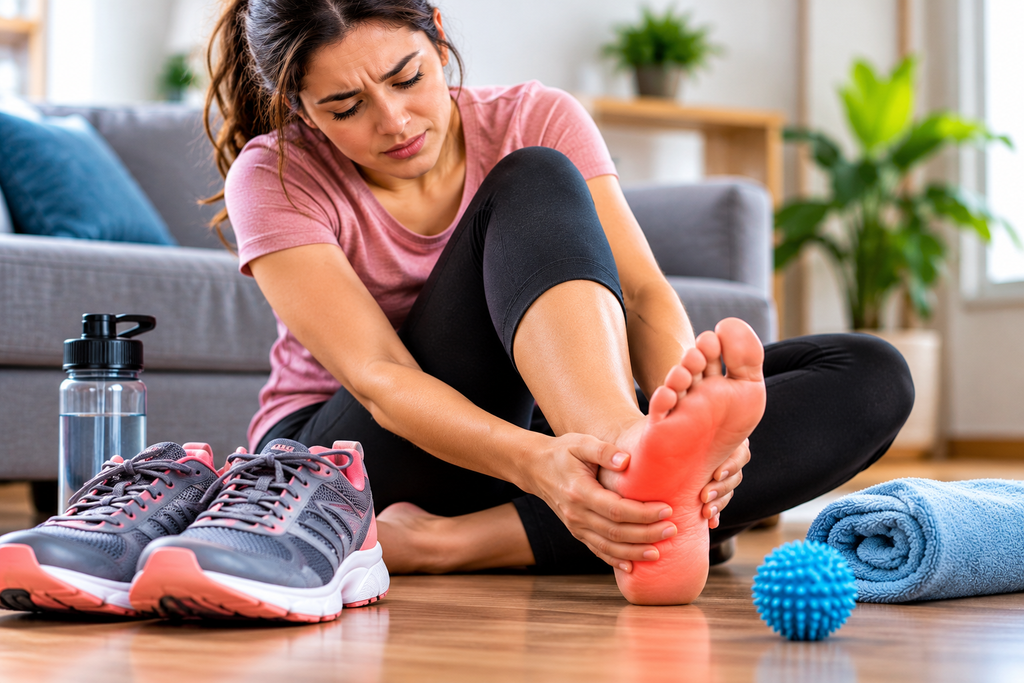
Foot pain after standing all day can make even simple activities, such as walking around the house or climbing stairs, uncomfortable. People who work in retail, healthcare, restaurants, factories, teaching, or other jobs that require long periods on their feet may experience aching, soreness, or tired feet.
Sometimes, discomfort improves with rest and better footwear. However, persistent foot pain can also be related to an injury or an underlying foot condition. Understanding what may be causing your symptoms can help you choose appropriate next steps.
In this guide, you will learn seven practical ways to care for sore feet after standing, simple habits that may help prevent discomfort, and signs that mean you should seek medical advice.
Why Do Your Feet Hurt After Standing All Day?
Standing for long periods can place repeated pressure on the feet, particularly when you stand on hard floors or wear shoes that do not provide enough support. The heel, arch, ball of the foot, and toes may become sore.
Other possible causes include tight footwear, overuse, calluses, plantar fasciitis, or other foot problems. The location and pattern of pain can offer clues, but they cannot confirm the cause on their own.
If your pain is severe, follows an injury, or keeps returning, do not assume it is simply tiredness.
7 Helpful Tips for Foot Pain After Standing All Day
1. Give Your Feet Time to Rest
If your feet feel sore after a long day, reduce activities that make the pain worse. When possible, sit down and gently raise your feet on a pillow or cushion.
Rest can reduce pressure on your feet, especially after prolonged standing or walking. However, avoid remaining completely inactive for extended periods if gentle movement is comfortable.
If your job requires you to stand for hours, ask whether you can take short sitting breaks or alternate between sitting, standing, and walking.
2. Choose Comfortable Shoes With Good Support
Footwear can make a significant difference when you spend much of the day standing. Shoes that are too tight, too narrow, or poorly cushioned may increase discomfort.
Look for shoes that offer:
- Enough room for your toes to move comfortably.
- A secure fit without rubbing or squeezing.
- A cushioned sole and suitable arch support.
- A stable design with a comfortable, low heel.
Replace worn-out shoes when their cushioning or support has deteriorated. If ordinary footwear does not help, a healthcare professional or pharmacist may be able to advise you about suitable insoles.
Remember that expensive shoes are not automatically better. The right fit and comfort matter most.
3. Apply a Cold Pack When Appropriate
A cold pack may help ease soreness after a long day, particularly when the area feels irritated or mildly swollen.
Wrap an ice pack or a bag of frozen vegetables in a thin towel. Apply it to the painful area for around 15–20 minutes, then remove it.
Never place ice directly against your skin or fall asleep with a cold pack on your foot. Avoid this method if you have reduced sensation or circulation problems unless a healthcare professional confirms it is safe for you.
If swelling is substantial, pain is severe, or symptoms began after an injury, seek medical advice rather than relying on cold therapy alone.
4. Try Gentle Foot and Calf Stretches
Gentle stretching may help reduce tightness in the feet and calves. Only try these movements if you can do them comfortably, and there is no suspected serious injury.
Seated calf stretch
- Sit on a chair with one leg extended in front of you.
- Place a towel around the ball of your foot.
- Gently pull the towel toward you until you feel a mild stretch in your calf.
- Hold for 15–20 seconds without bouncing.
- Release slowly and repeat on the other side if comfortable.
Gentle ankle circles
- Sit with your feet slightly raised from the floor.
- Slowly move one ankle in a circle.
- Repeat a few times in each direction.
- Switch feet.
Stop if the movements increase your pain. Avoid stretching an injured foot or forcing a painful joint. If you have diabetes, circulation problems, or a known foot condition, ask a healthcare professional which exercises are appropriate.
5. Take Short Breaks During the Day
You do not need to wait until your shift ends to care for your feet. Brief breaks may help you change positions and reduce continuous pressure.
Depending on your workplace, try to:
- Sit down during scheduled breaks.
- Alternate tasks that require standing with tasks that allow sitting.
- Change position regularly rather than locking your knees.
- Use a suitable anti-fatigue mat if your workplace permits one.
- Wear supportive footwear throughout your shift.
An anti-fatigue mat may improve comfort for some people, but it does not replace appropriate shoes, breaks, or medical care when needed.
If your job makes breaks difficult, consider discussing workplace adjustments with your supervisor.
6. Avoid Walking Barefoot on Hard Floors if It Worsens Pain
Walking barefoot on hard surfaces may increase discomfort for some people, particularly when their heels or arches are already sore.
At home, try comfortable indoor footwear with a supportive, cushioned sole. Avoid slippers that are unstable, too loose, or difficult to walk in safely.
If your pain is concentrated around the heel or arch, supportive footwear and appropriate insoles may be helpful. However, the best option depends on the cause of your symptoms.
Do not use tight straps, improvised supports, or products that cause numbness, rubbing, or skin irritation.
7. Pay Attention to Recurring Pain
If your feet hurt after nearly every shift, consider keeping a simple record of your symptoms.
Note:
- Where the pain occurs: heel, arch, toes, or ball of the foot.
- How long you were standing.
- Which shoes you wore.
- Whether swelling, tingling, or numbness occurred.
- What made the pain better or worse.
This information can help a healthcare professional assess the problem. Repeated pain may be associated with footwear, overuse, plantar fasciitis, or another condition that needs specific treatment.
Do not keep pushing through worsening pain simply because standing is part of your job.
Simple Habits That May Help Prevent Sore Feet
Small changes to your daily routine may reduce unnecessary strain:
| Habit | How it may help |
| Wear well-fitting shoes | Reduces rubbing and provides support |
| Take regular breaks | Interrupts prolonged standing |
| Change positions | Avoids staying in one posture for too long |
| Increase activity gradually | Helps avoid sudden increases in foot strain |
| Check your feet regularly | Helps you notice blisters, redness, or skin changes |
| Seek advice for recurring pain | Helps identify problems that need treatment |
These habits may improve comfort, but they cannot prevent every cause of foot pain.
When Should You See a Doctor for Foot Pain?
Seek urgent medical assessment if you have severe pain, cannot walk or put weight on your foot, notice a change in the shape of your foot after an injury, or develop significant swelling after an accident.
Get prompt medical help if your foot becomes hot, red, and swollen, especially if you also have a fever or an open wound.
Arrange a healthcare appointment if:
- Your pain is getting worse or repeatedly returning.
- Pain interferes with normal activities.
- Symptoms have not improved after about two weeks of home care.
- You experience numbness, tingling, or weakness.
- You have diabetes and develop foot pain, a blister, or a wound.
People with diabetes should seek advice early because foot problems can become more serious. Do not wait for a wound to heal on its own.
Frequently Asked Questions
1. Why do my feet hurt after standing all day?
Long periods of standing can place repeated pressure on the feet. Hard floors, poorly fitting shoes, overuse, and certain foot conditions may also contribute. The exact cause depends on your symptoms and medical history.
2. What is the fastest way to soothe sore feet after work?
Resting, raising your feet, wearing comfortable footwear, and using a towel-wrapped cold pack for 15–20 minutes may help with mild soreness. If pain is severe or follows an injury, seek medical advice.
3. Are cushioned shoes helpful for people who stand all day?
Comfortable shoes with adequate cushioning, a stable fit, and suitable support may reduce discomfort. The best shoes depend on your foot shape, workplace, and any existing foot condition.
4. Should I stretch if my feet hurt?
Gentle stretching may help with some types of tightness, but it is not appropriate for every cause of pain. Stop if symptoms worsen, and seek advice if you suspect an injury or have a medical condition that affects your feet.
5. Can foot pain after standing all day be a sign of plantar fasciitis?
It can be one possibility. Plantar fasciitis often causes pain around the heel or arch, which may be particularly noticeable with the first steps after sleeping or resting. A healthcare professional can help assess the cause.
6. How long should foot pain last after standing?
Mild soreness may improve with rest, but there is no single recovery time for every cause. Get medical advice if pain persists for about two weeks, worsens, or repeatedly returns.
7. Is it safe to keep working when my feet hurt?
Mild discomfort may improve with breaks and supportive footwear, but worsening pain should not be ignored. Severe pain, inability to walk, or significant swelling needs prompt medical assessment. Ask about workplace adjustments if standing aggravates your symptoms.
Suggested Internal Link: Add a relevant link to an existing article on your website about strength training, exercise, or healthy fitness habits, if you have one.
Conclusion
Foot pain after standing all day can make work and everyday activities difficult. Taking breaks, choosing comfortable shoes, resting your feet, and trying gentle movements when appropriate may help ease mild discomfort.
However, persistent or worsening pain should not be ignored. Pay attention to your symptoms and seek professional advice when necessary, especially if you have diabetes, numbness, swelling, or difficulty walking.
Disclaimer: This article is for general educational purposes only and does not replace medical diagnosis or treatment. Consult a qualified healthcare professional for persistent pain, an injury, or symptoms that concern you.
References
- NHS — Pain in the bottom of the foot
- NHS — Plantar fasciitis
- Mayo Clinic — Foot pain: Causes and self-care